Summer has a rhythm that the school year rarely allows. Mornings without a clock ticking. Afternoons that stretch and meander. The unhurried pace of days that don't require us to be anywhere quite so urgently. And tucked inside all of that spaciousness is one of the most valuable gifts the season can offer young children: time to do things for themselves.
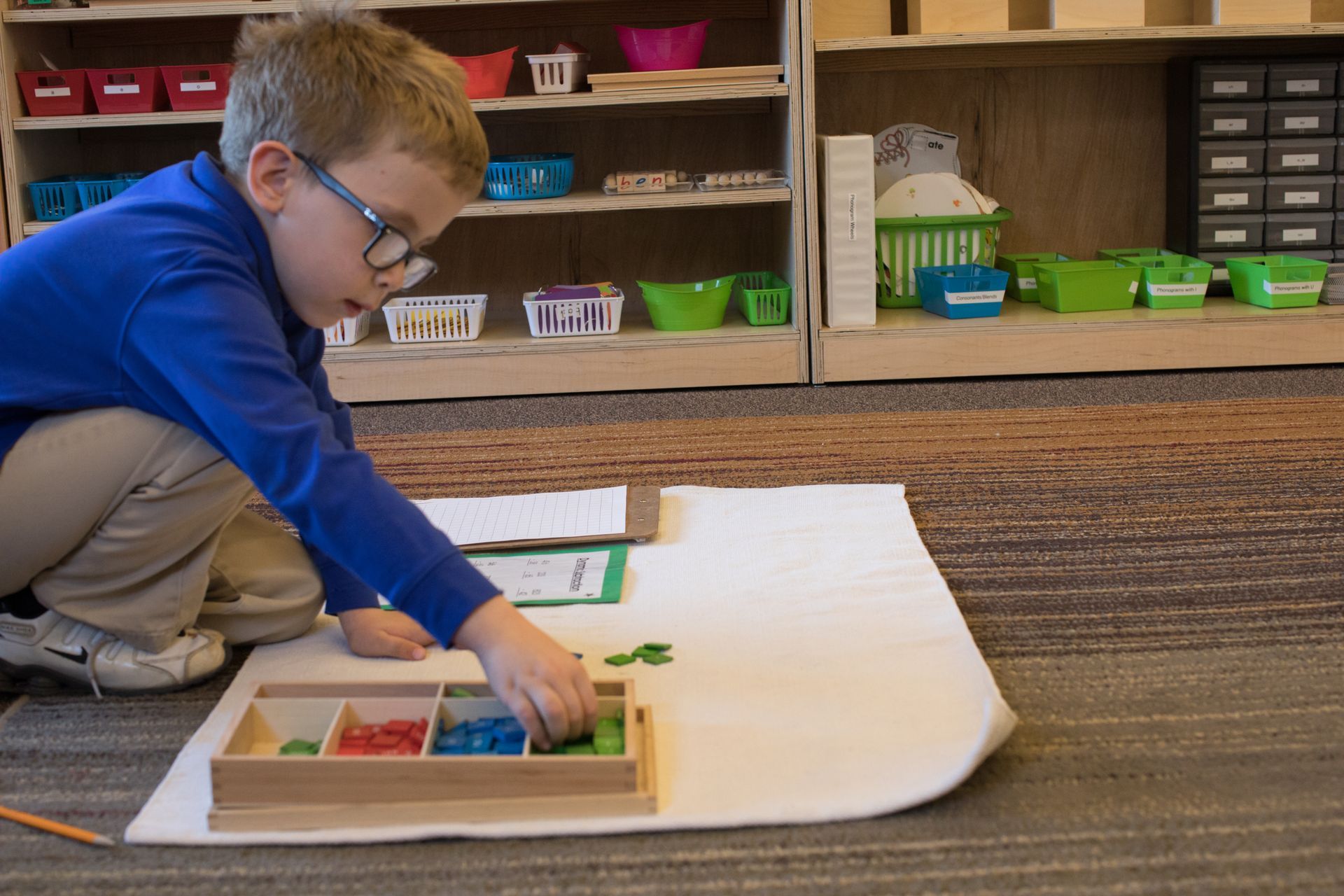
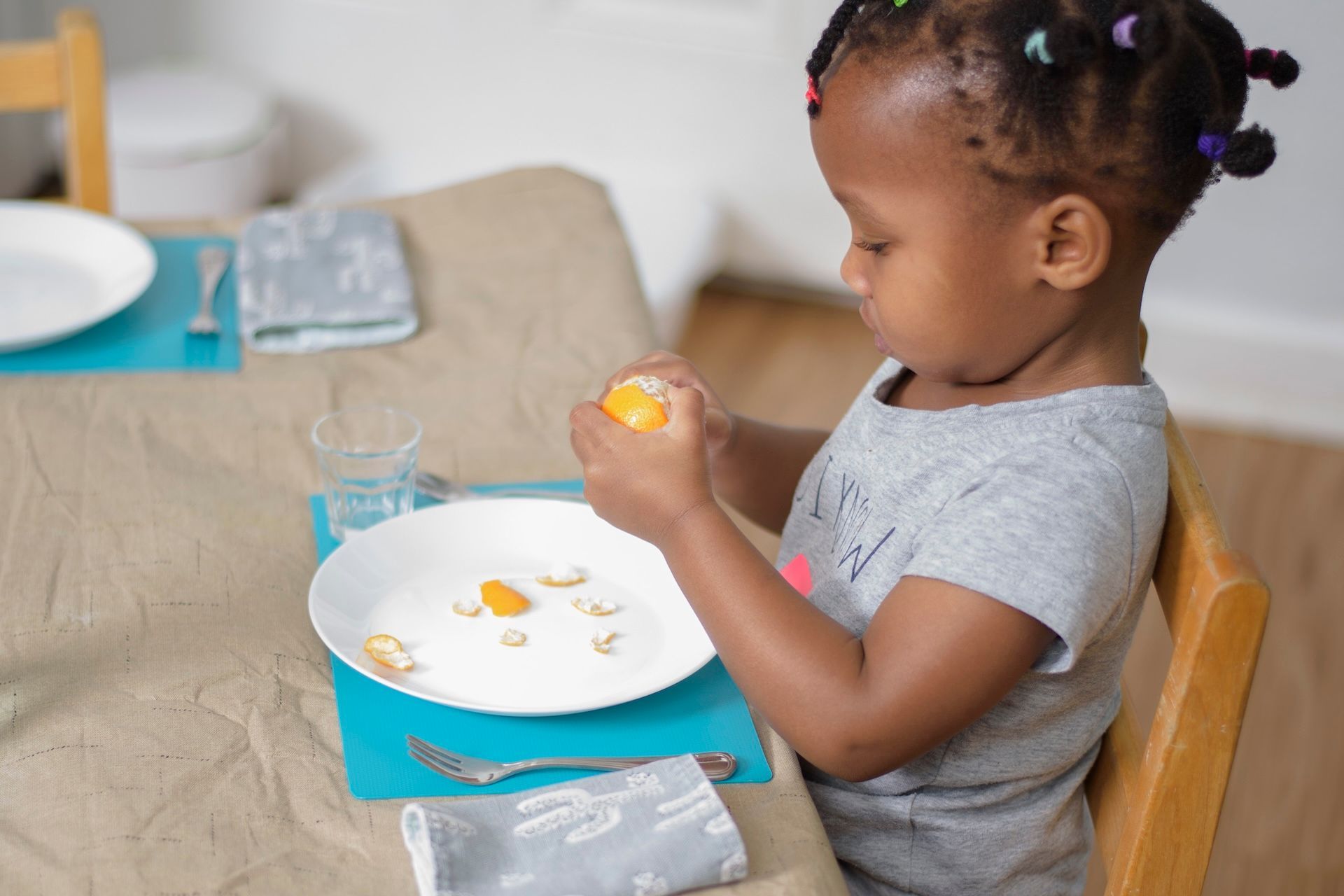
In our Montessori-in-Practice environment at Seeds of Life, we don’t rush through the daily routines that help children care for their own bodies—washing hands, dressing, brushing hair, wiping a nose, or placing shoes where they belong. We never view these moments as chores or administrative hurdles. They are, in fact, the most vital developmental work of early childhood. Summer, with its slower tempo, is the perfect season to lean into this purposeful activity.
Independence Is both the Destination and the Journey
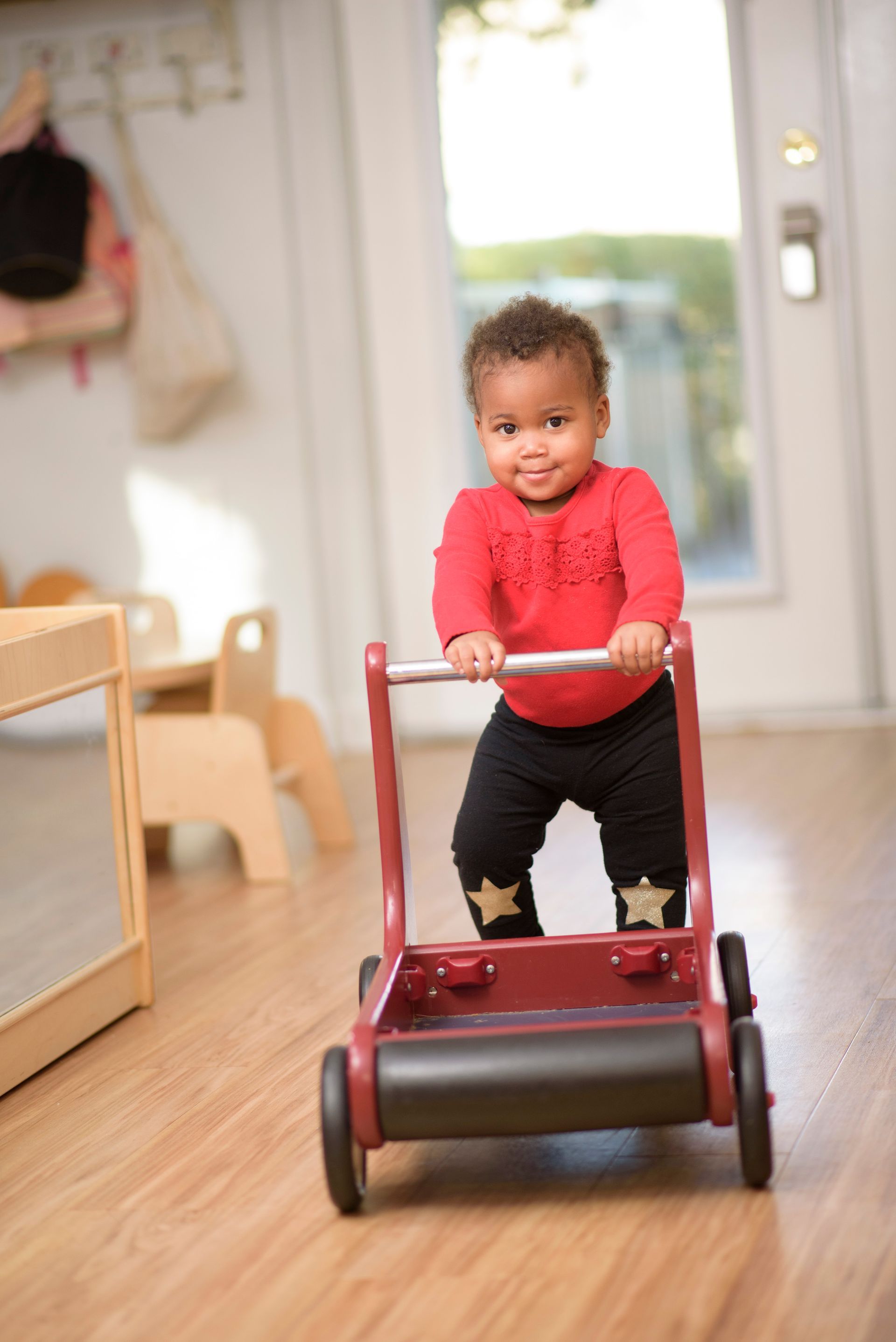
Dr. Montessori understood that, from the very first moments of life, children are moving toward independence. The infant who turns toward nourishment has already taken a first step. That milestone transforms the toddler who learns to walk: their hands are suddenly free, they can move toward or away from people and objects in their world, and they can begin actively shaping their own experience rather than merely absorbing it.
Every act of self-care that children learn to navigate is another step along this path. True independence is not about doing things entirely alone or isolating oneself; it is about building a sense of genuine capability, coordination, and an internal trust in one's own body.
As the fundamental Montessori principle guides us: "Help me to do it myself."
Collaboration Before Independence
One of the most important things to understand about supporting self-care is that the path to autonomy moves through a deeply collaborative process. Often, the harmony of our home or classroom environment gets disrupted when we swing between rigid over-instruction, rushing in to do the task for them, or stepping back entirely before their nervous system feels safe enough to try.
The natural progression looks like this:
- The Adult Models: First, we do the activity with or for the child, utilizing gentleness and quiet narration so the child is always an active participant. "I am going to help guide your arm through this sleeve."
- The Adult and Child Share: Gradually, the adult and child do the activity together, partnering in the movement.
- The Child Imitates: Eventually, the child begins to imitate the process, exploring it in their own way—slowly, imperfectly, and with deep satisfaction.
This progression is never a straight line. There will be days when a child who has been dressing independently for weeks suddenly experiences dysregulation or fatigue and asks for help. This is entirely normal and simply calls for a gentle return to connection before correction: "Let's do this together today." Our goal is always to offer just enough support and no more, protecting their emerging sense of capability.
What Summer Makes Possible
The school year, for all its richness, can sometimes carry the weight of time pressure. Mornings, especially, can easily turn into a sequence of tasks that happen faster than a child’s motor planning can manage. Shoes get slipped on by rushed adults. Jackets get zipped. Hair gets brushed quickly and without much ceremony.
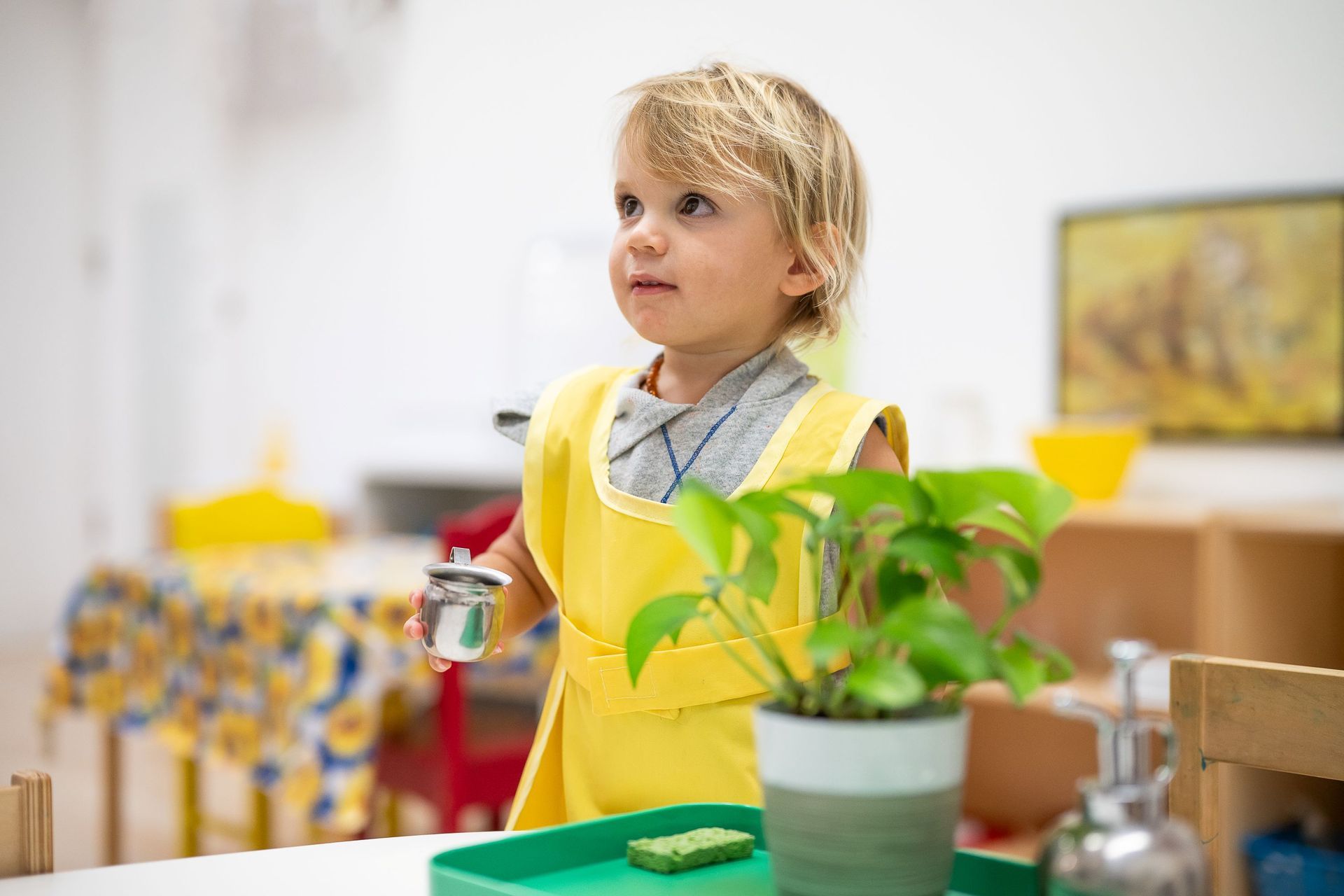
During the summer months, however, there is space to let a child in our Casa community button their own shirt, however long it takes. There is time to stand back and watch a toddler concentrate on pulling on their own socks. There is room for the unhurried back-and-forth of washing hands properly at a sink they can actually reach.
When we view these moments as a child's real work, we release the urge to prioritize corporate-style efficiency. This is a long-term game. Our children are building their coordination, concentration, and internal confidence from the inside out.
Practical Suggestions for the Summer Months
Here are a few ways to bring the Seeds of Life approach to self-care into your home this summer:
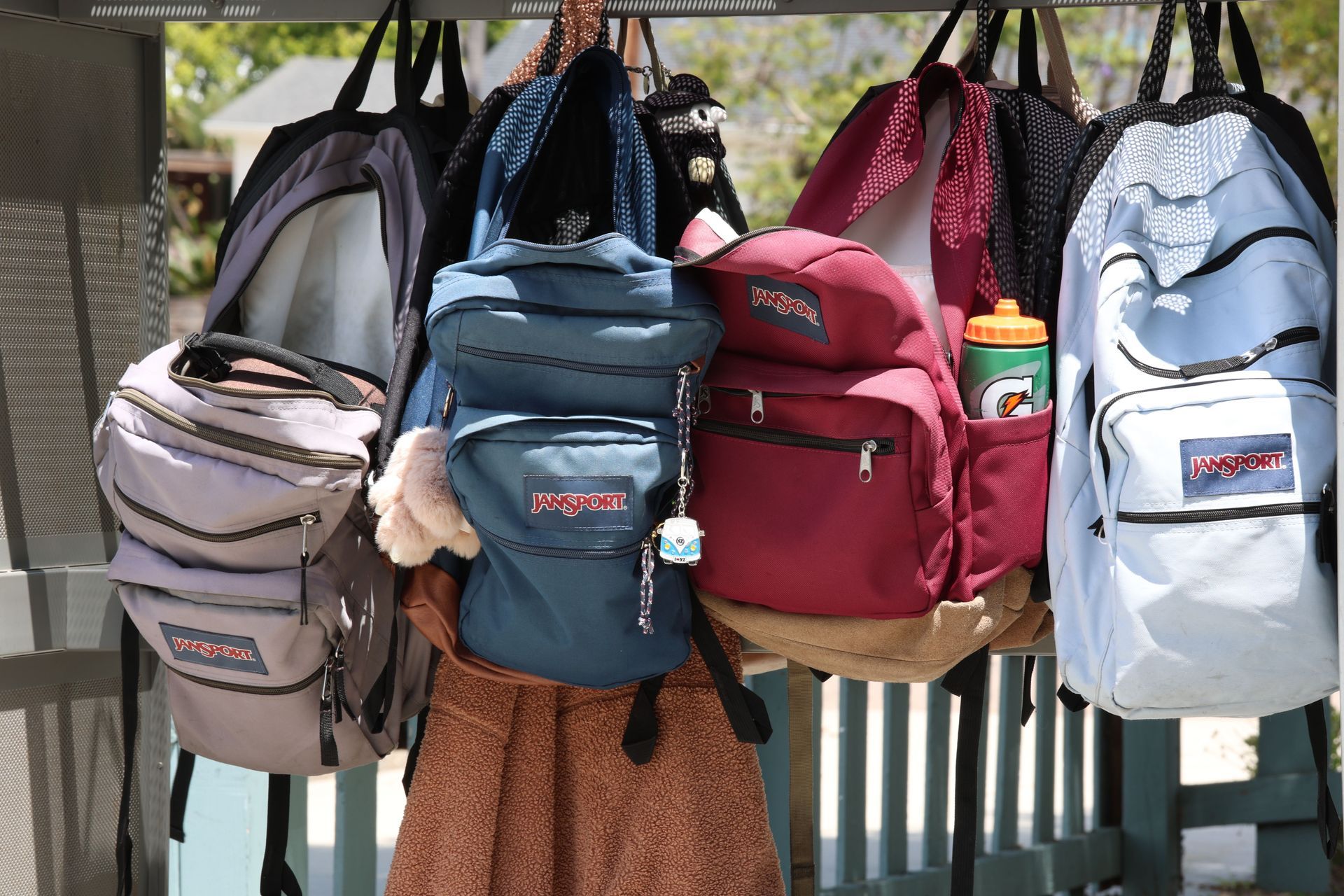
- Prepare the Environment for Success: Small physical adjustments allow children to manage their own needs safely. Place a sturdy step stool at the bathroom sink. Provide low hooks for towels and clothing. Create a low, accessible shelf in the entryway for shoes and bags so everything has a predictable place.
- Choose Clothing that Supports the Hands: Elastic waistbands, Velcro shoes, and loose-fitting tops respect the child’s current physical abilities. A child who can successfully dress themselves steps out into the world feeling capable.
- Observe and Narrate Without Taking Over: When a child is struggling with a stubborn button or a zipper, resist the immediate impulse to fix it. Try a supportive reflection instead: "You're working hard on that zipper. Would you like to try once more, or would you like me to hold the bottom stable for you?" This keeps the child in the driver’s seat of their own experience.
- Move Without Talking; Talk Without Moving: This classic Montessori presentation technique helps us demonstrate a skill most effectively. When showing a child how to squeeze a tube of toothpaste or brush their shoes, do it slowly and silently, so the movement is fully visible to their eyes. Then, separately, use words to name the steps. Young children often find it difficult to simultaneously process auditory tracking and visual motor demonstration.
- Begin with Large Movements, then Refine: Self-care builds from gross motor coordination to refined fine motor skills. Children learn to pull a shirt over their head long before they can master small buttons. Follow your child's current capacity and build incrementally from there.
Self-Care Activities Worth Exploring This Summer
Take a gentle inventory of the self-care skills your child might enjoy mastering over the next few months:
- Dressing and undressing (pulling up shorts, exploring zippers)
- Managing independent bathroom routines and thorough hand washing
- Blowing and wiping their own nose with access to a low mirror and tissue station
- Brushing hair and teeth independently
- Caring for shoes (wiping off sand or learning to manage Velcro straps)
There is no hurry. There is no single right timeline, and we embrace neuro-inclusive development where every child's timeline is uniquely honored. What matters most is the steady, supportive relationship between the adult and the child.
The Deeper Meaning
Dr. Montessori was clear that the ultimate destination of this developmental arc—spanning all the way into young adulthood—is a person who feels secure in themselves, takes responsibility for their own choices, and moves through the world with a sense of purpose and dignity.
It begins right here, with a small person pulling on their own socks in an environment that is safe enough, and a summer that is slow enough, to let them try.
We hope your summer is full of these quiet, meaningful moments of connection. If you would like to experience our community firsthand and learn more about how we honor the child's journey toward independence, we invite you to visit our campus.
- 📍 Location: Main Campus, 5805 Whitfield Ave, Sarasota, FL
Seeds of Life Montessori Academy
#PracticalLife #HelpMeDoItMyself #FosteringIndependence #PreparedEnvironment #NurturingAutonomy #GraceAndCourtesy #JoyfulWork #SeedsOfLife #SarasotaMontessori #MontessoriAtHome