Resource Library
Explore how Seeds of Life Montessori Academy advocates for equity and access in education, bridging high-fidelity Montessori philosophy with neuroinclusive practices for all learners.
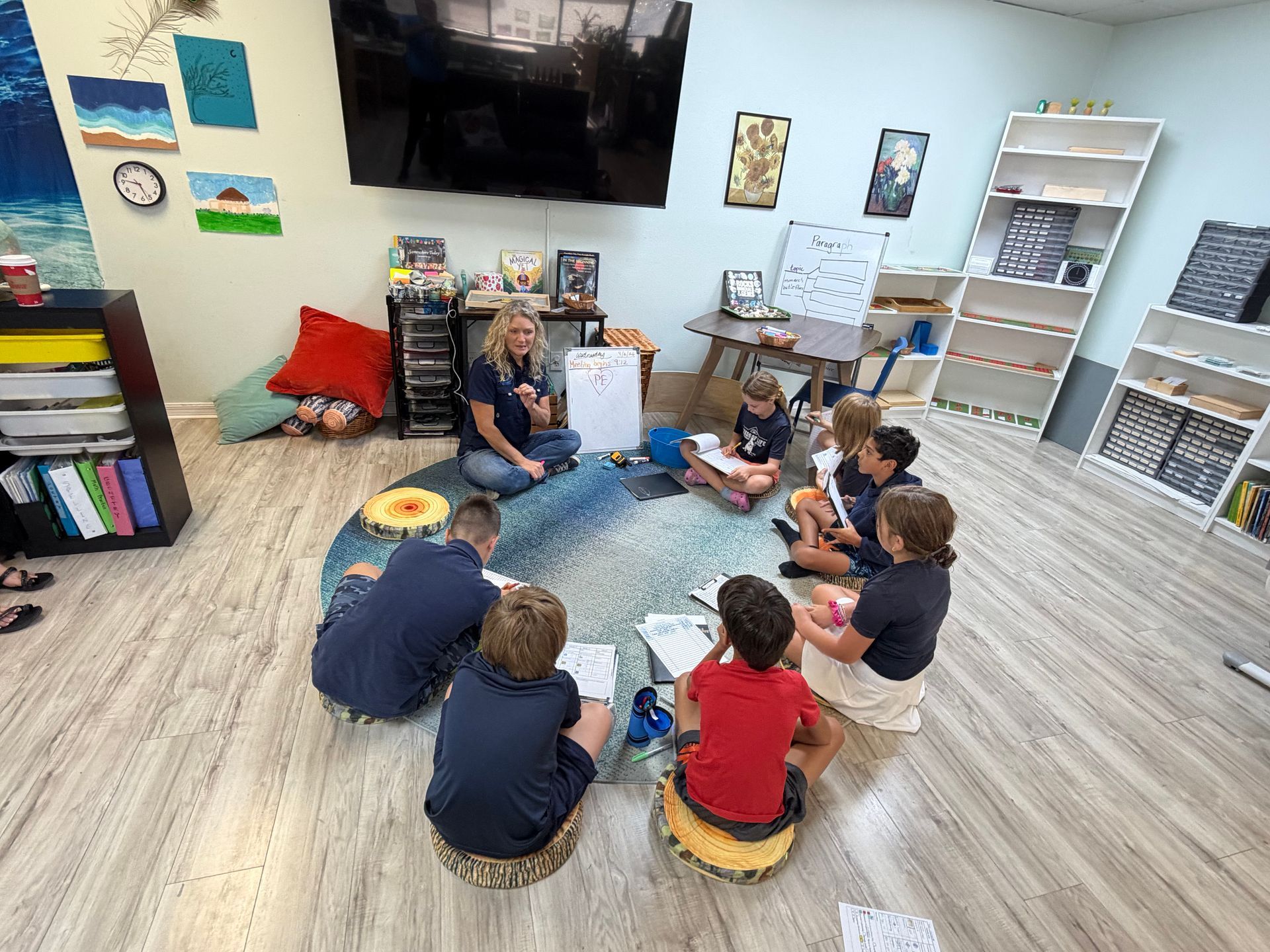
Discover how Dr. Maria Montessori’s third plane of development guides adolescents toward purpose, confidence, and economic independence at Seeds of Life Montessori Academy.
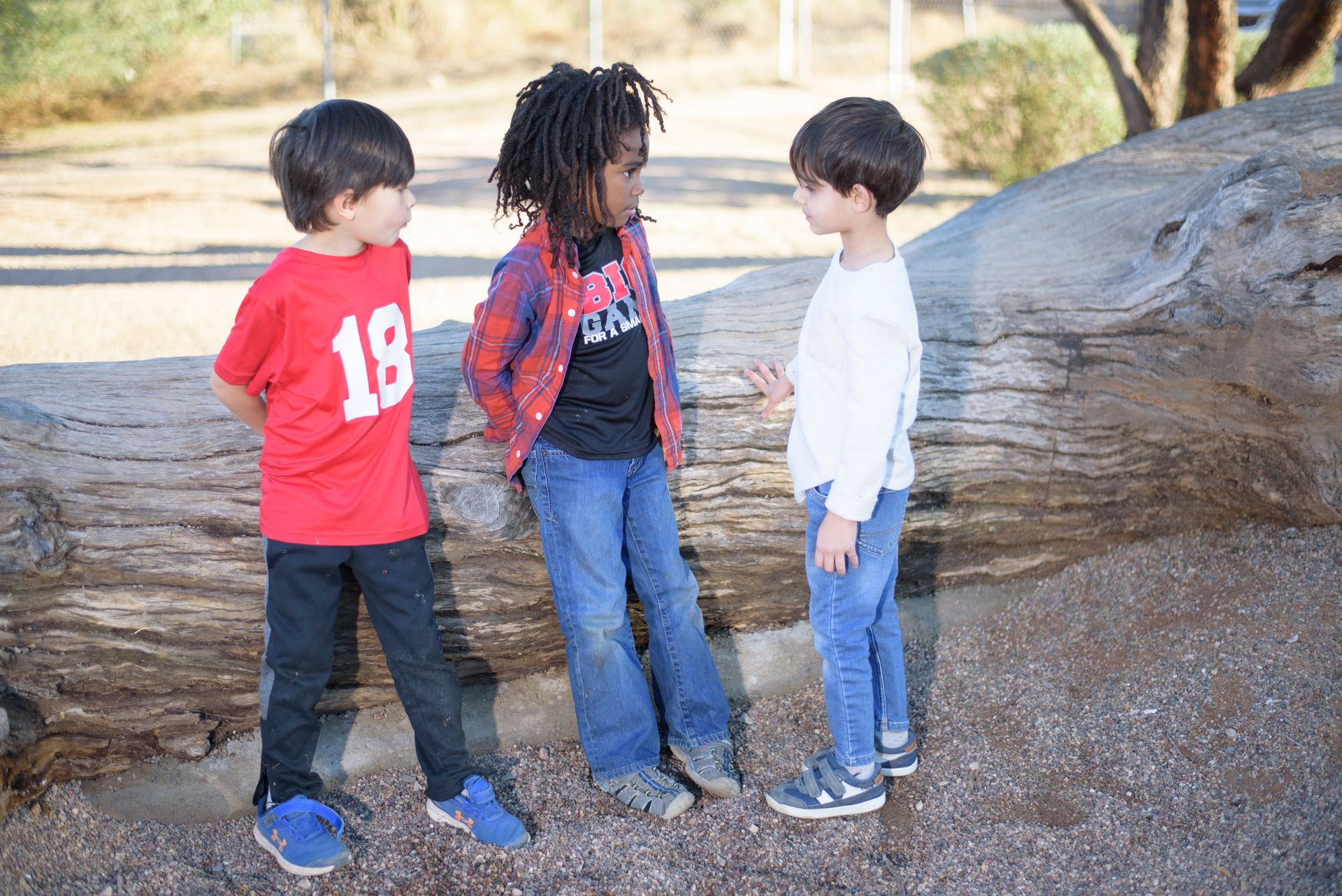
Learn how to help your child find their voice! Explore how self-advocacy builds independence, confidence, and executive function at Seeds of Life.
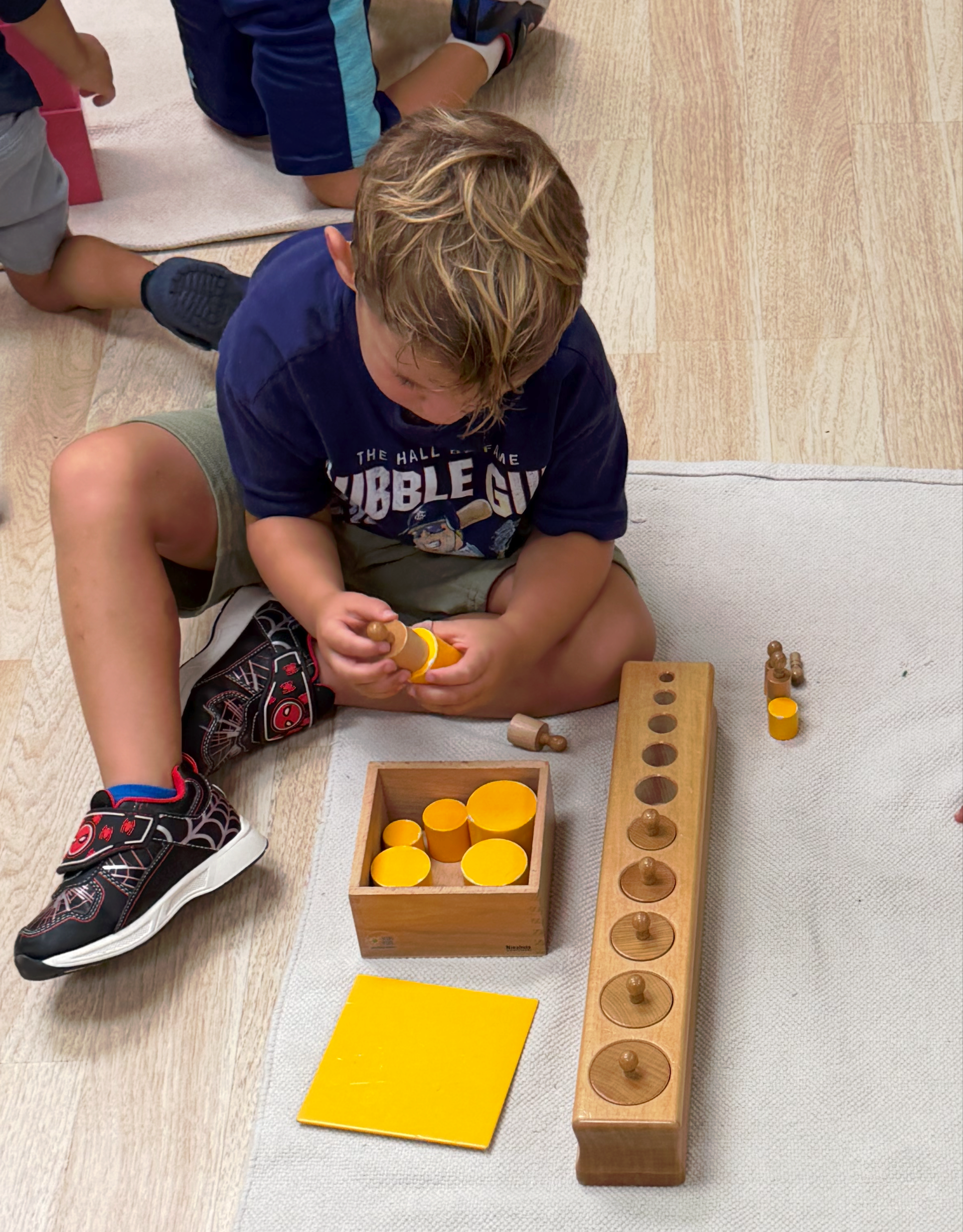
Discover Dr. Maria Montessori's concept of the Absorbent Mind! Learn how young children effortlessly soak up language, order, and concentration at Seeds of Life.
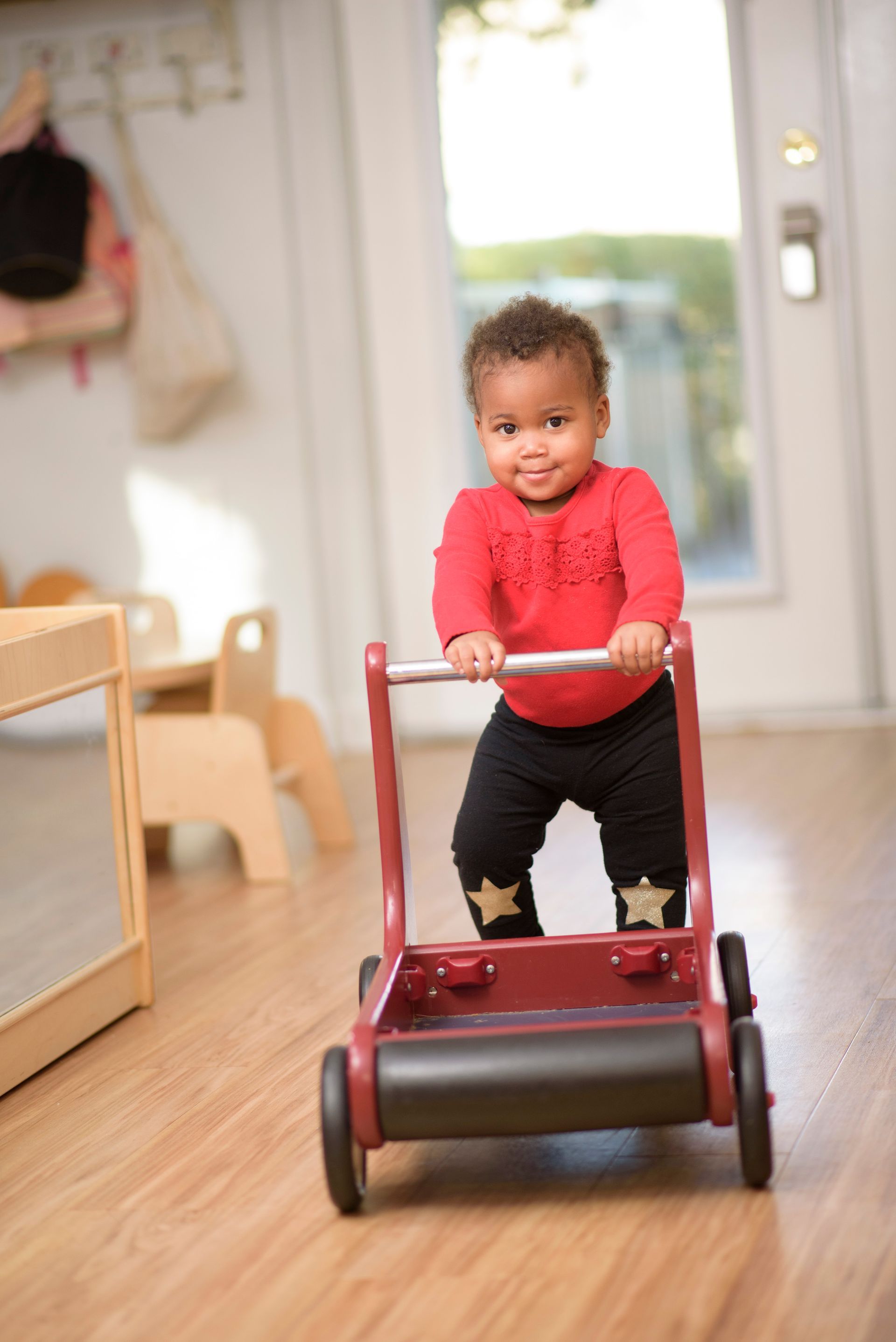
Discover how children build body schema and mind-body unity at Seeds of Life! Learn how sensory-motor movement and prepared environments foster independence and focus.

Discover how a Montessori education prepares children for real-world success! From executive function to lifelong creativity, explore how our prepared environment fosters independence and focus at Seeds of Life.
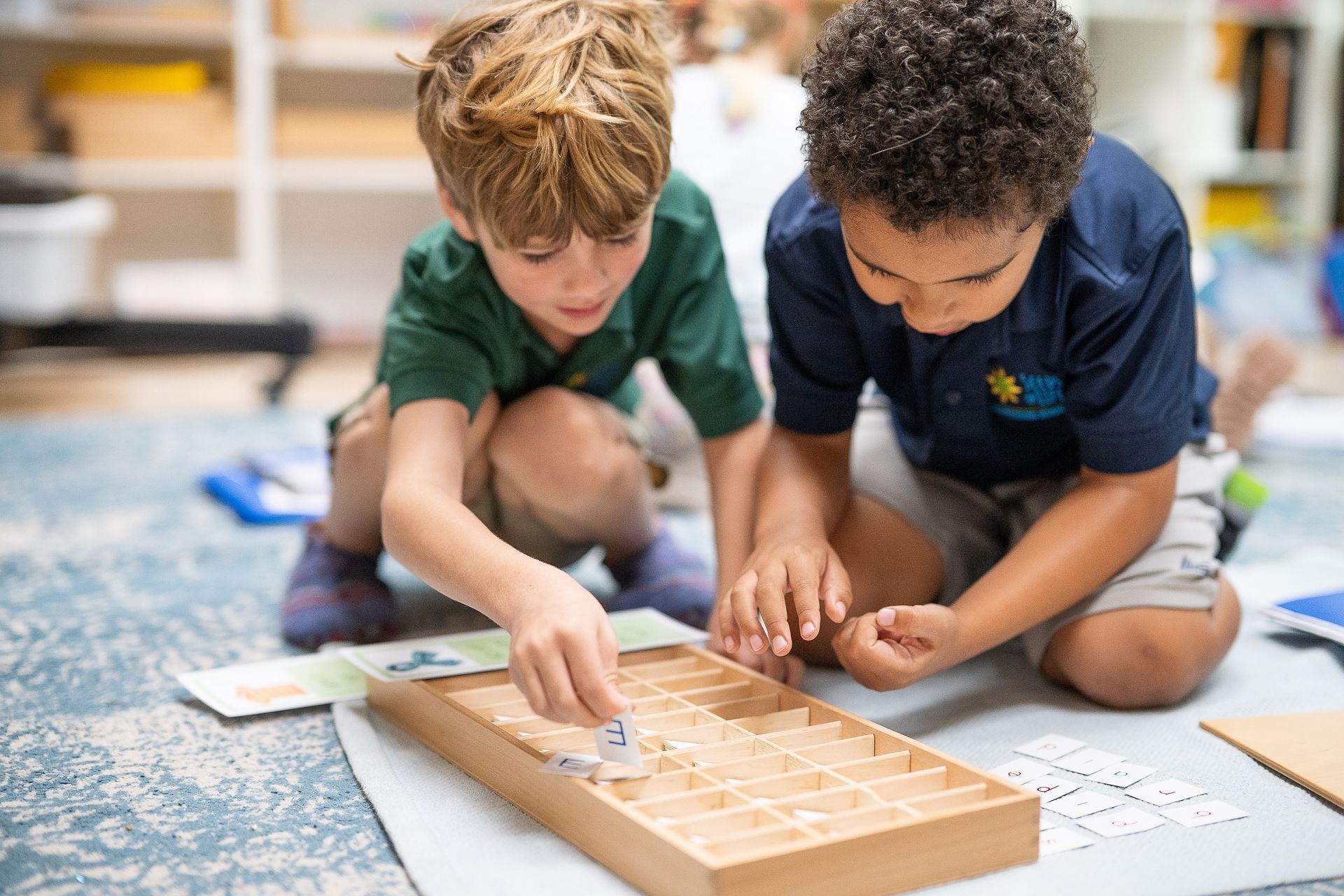
In an era where many families seek personalized, child-centered education, homeschooling has seen significant growth. Parents value the flexibility, deep family bonds, individualized pacing, freedom from screens, and nurturing of intrinsic motivation that homeschooling can provide. These aspirations lie at our core. At Seeds of Life Montessori Academy (SOL Montessori) in Sarasota, Florida, our authentic Montessori program—rooted in over 150 years of proven methodology—mirrors many of homeschooling's core values while addressing common challenges through professional expertise, community, and resources that most home environments find difficult to replicate consistently. Shared Foundations: Child-Led Learning and Independence Both homeschooling and Montessori education prioritize the child as an active participant in, their own development rather than a passive recipient of instruction. Homeschool families often follow the child's interests, allowing deep dives into topics at their own pace. Similarly, Montessori classrooms embody Dr. Maria Montessori's principle of "follow the child." Teachers prepare an environment rich with hands-on materials that invite exploration, then step back to observe and guide as needed. At SOL Montessori, this looks like children choosing work that captivates them—whether mastering practical life skills like food preparation (echoing homeschool kitchen involvement) or exploring geography with geo specific physical artifacts that ignite imagination. Our bilingual (English-Spanish) immersive environment further supports cultural awareness and language acquisition in a natural, family-like way. Practical life activities are a hallmark in both approaches. AMS (American Montessori Society) resources highlight how parents can incorporate Montessori-style self-care and household tasks at home, such as folding laundry or meal prep with real tools. Since SOL Academy is a verified AMS school, committed to high-fidelity Montessori practices in our classrooms, these activities are daily norms, scaled to the child's abilities, fostering confidence and responsibility without external rewards or punishments—nurturing the intrinsic motivation many homeschool parents cherish. The Power of Relationships and Community Homeschooling often strengthens family bonds through dedicated time together. Montessori extends this by creating a "family-like" multi-age community. Our 3-year age cycles (e.g., ages 3- 6 in Primary, 1st-3rd grade in Junior Elementary, etc.) allow children to form deep, consistent relationships with teachers and peers—older children mentor younger ones, reinforcing learning through teaching, while younger ones gain inspiration. This mirrors sibling dynamics at home while scaling those benefits to a broader, diverse peer group. Children build essential social skills, empathy, and collaboration in ways that a single-family setting often finds difficult to sustain consistently amid the varying rhythms, transitions, and scheduling commitments. SOL Montessori maintains an average 7:1 teacher-to-child ratio , enabling highly individualized attention. Our dedicated teachers and supportive administrative structure allow for truly personalized instruction tailored to each child—support that even the most committed homeschooling parents, while balancing multiple children, household responsibilities, or work demands, can find challenging to sustain at the same level of consistency and depth. Expertise and Individualized Support. One of homeschooling's strengths is tailored support, but it can be challenging for parents without specialized training to address diverse sibling needs consistently, especially in areas like neurodiversity. SOL Montessori's teachers hold AMS-aligned credentials involving extensive coursework, practicum, and ongoing professional development—significantly surpassing standard requirements and placing them among the most highly prepared educators in early and elementary education. Our founder, Maria Eva Chaffin, brings deep expertise as an inclusion specialist, with advanced degrees, doctoral research on how to support educators and teams to achieve the best possible individual outcomes for every child, and thousands of hours working child development specialist and educators around the world. Maria regularly shares her experience and resources via @montessori_behavior on Instagram. Through our sister organization, Montessori Behavior, Maria and the SOL team provide training and consulting to teachers and administrators around the world. Maria is now a sought-after international consultant and speaker and SOL Montessori Academy serves as a model school for other chools and academies globally that are seeking to leverage the success of SOL within their own organizations. Teacher preparation—including professionally, mentally, and emotionally—plays one of the most critical roles in early childhood development and education. With this extensive in-house expertise and experience, SOL teachers create a truly unique environment where every child feels secure, loved, and free to explore their passions with confidence. This foundation of co-regulation, nervous system awareness (drawing on Maria’s extensive training and research on the polyvagal theory), and deep understanding of child development, empowers the team to enable every child to thrive authentically. Montessori's research-backed methods align with modern neurology, emphasizing hands-on materials over screens. We prioritize real-world interaction, nature integration, and minimalism —reducing overstimulation while maximizing focus and joy. Addressing Homeschooling Challenges While homeschooling offers flexibility, families often cite isolation, limited socialization opportunities, inconsistent access to specialized materials, parental burnout, gaps in advanced subjects or extracurriculars, and the extensive travel and car time required to shuttle between various activities and functions as hurdles. Many also experience the constant pressure to manage or negotiate screen time—whether as a reward, distraction during transitions, or to fill scheduling gaps—which can conflict with desires for screen-free, hands-on learning. SOL Montessori complements or serves as a robust alternative: Proven Curriculum & Materials: 150+ years of refinement with self-correcting, sequential materials that "teach" independently while teachers facilitate. Community & Socialization: Multi-age classrooms provide natural peer modeling and friendship-building. Sustainability for Families: Professional educators handle daily instruction, freeing parents to be emotionally available for their children while drastically increasing the quality of family interaction , advocacy, or work. No Screens Emphasis: Deep, tactile learning that builds concentration and creativity. Bilingual & Inclusive Excellence: Tailored support in a diverse, welcoming setting serving Sarasota-area families. Parents partnering with us often report the best of both worlds: Montessori at school reinforcing homeschool values at home, with easy extensions via AMS parent resources and SOL parent educational events. Why Choose SOL Montessori for Your Homeschool-Minded Family? If you're drawn to homeschooling for its personalization, independence, and whole-child focus, Seeds of Life Montessori Academy offers a proven, professional embodiment of those ideals— plus the infrastructure, expertise, and community that amplify outcomes. Our approach ensures mevery child, including those with unique needs, receives the support to flourish. We invite you to schedule a tour and see the calm, purposeful environment where children lead with joy and purpose. Discover how our model school can partner with your family’s vision.
When I speak about inclusion in Montessori, I do not speak about it as a modern idea placed on top of the method. I speak about it as a return to one of the deepest roots of Montessori’s work: the belief that the child must be observed before being judged, and that the adult must be prepared before claiming to know what the child can or cannot do. The conversation about learning differences in Montessori often becomes too simple. Some say that the first Children’s House was not created for children with disabilities. Historically, that statement is true in one sense. The Casa dei Bambini in San Lorenzo was not established as a special education school. It was born within a social reform project for young children living in a working-class community in Rome. But if we stop there, we risk separating the Children’s House from the earlier work that formed Montessori’s scientific and pedagogical vision. Maria Montessori did not arrive in San Lorenzo with an empty method. Before the first Children’s House opened in 1907, Montessori had already studied medicine, anthropology, experimental psychology, and pedagogy. She had also worked with children who, in the medical language of her time, were called “deficient,” “abnormal,” or “phrenasthenic.” Today, we would use more respectful and accurate language: children with developmental disabilities, intellectual disabilities, learning differences, and neurodevelopmental needs. The language has changed, and it should change, but the historical fact remains important. Montessori’s method was shaped, in part, by children who had been excluded from ordinary education. In The Montessori Method, Montessori explains that the educational system used in the Children’s Houses “sprang from preceding pedagogical experiences with abnormal children” (Montessori, 1912, p. 31). She also writes that “mental deficiency presented chiefly a pedagogical, rather than mainly a medical, problem” (Montessori, 1912, p. 32). These statements matter because Montessori was not denying disability, nor was she romanticizing the child’s needs. She was challenging the assumption that the child’s difficulty belonged only inside the child. She was asking educators to look also at the method, the adult, the environment, and the opportunities for development. This is where Montessori’s connection to Jean-Marc Gaspard Itard and Édouard Séguin becomes essential. Montessori studied their work carefully. Itard’s work with sensory education and observation, and Séguin’s physiological method, helped Montessori understand that education could begin through the body, the senses, movement, and concrete experience. Séguin’s work was especially important because he challenged the idea that children with intellectual disabilities were unreachable. His method began where the child was, not where the adult wished the child would be. Séguin’s own words help us understand this foundation. In Idiocy: And Its Treatment by the Physiological Method, he argued that the educational treatment of the child must begin from the child’s present point of development. This idea is profoundly connected to the Montessori principle of following the child. It is also profoundly connected to inclusion. The adult does not begin with a fixed program and force the child into it. The adult begins by studying the child’s development and preparing the next possible step. Montessori took this inheritance and transformed it. She did not simply apply Séguin’s work mechanically. She brought it into a larger vision of education, freedom, observation, independence, and human development. In The Montessori Method, she explains that her work in the Children’s Houses represented trials made with methods already used with children then called “deficients, ” while also clarifying that her work was not merely a direct application of Séguin. This nuance matters. The Orthophrenic School and the Children’s House were not the same context, but they were not unrelated. The roots of Montessori education include the study of children who had been misunderstood, underestimated, and excluded. Paola Trabalzini’s historical work in Maria Montessori Through the Seasons of the “Method” helps us hold this nuance with greater accuracy. Trabalzini places Montessori’s early work with children then called “phrenasthenic” within the formation of her scientific pedagogy. She also explains that when Montessori accepted the work in San Lorenzo, she brought with her the hypothesis of trying, with so-called “normal” children, the sensorial materials she had already used with children considered mentally deficient in the language of that time. This does not mean the Children’s House was a special education classroom. It means the method Montessori brought into the Children’s House had already been shaped by children who did not fit the expectations of traditional schooling. For me, this is one of the strongest foundations for understanding Montessori inclusion. Inclusion is not simply about placing a child in a classroom. Inclusion is not pretending that every environment can meet every need without support, training, collaboration, staffing, or adjustment. That would be irresponsible. But exclusion based on labels, without deep observation and without examining the adult and the environment, is also not Montessori. Montessori warned us about the danger of lowered expectations. In The Montessori Method, she wrote that when an educator accepts the idea that they are educating an “inferior personality, ” “for that very reason he does not succeed” (Montessori, 1912, p. 37). This is one of the most important sentences for the work I do today. Before a child is limited by a diagnosis, a behavior, or a difficulty, the child may already be limited by what the adult has decided is possible. This is not a small problem. It is one of the deepest barriers to true inclusion. This is why my work always returns to the prepared adult. The prepared adult is not simply the adult who knows the lessons or can present the materials correctly. The prepared adult is the person willing to examine assumptions, reactions, expectations, and the state of the nervous system. When an adult is dysregulated, the adult does not observe clearly. The adult reacts. The adult controls. The adult may interpret sensory overwhelm as defiance, executive function difficulty as laziness, fear as manipulation, or communication differences as disrespect. In those moments, the child is no longer being observed. The child is being interpreted through the adult’s activation. Montessori may not have used today’s language of nervous system regulation, sensory processing, trauma, or executive functioning, but she understood that the adult’s inner preparation mattered. In The Discovery of the Child, she writes about the spiritual preparation of the teacher and the need for the adult to remove pride and anger in order to see the child more clearly. In the chapter where she reflects on the adult’s inner obstacles, Montessori’s language is strong because she understood that the adult can become the greatest barrier to the child’s development. Today, we can understand that through both Montessori philosophy and current knowledge about the nervous system. A dysregulated adult does not create safety. A reactive adult does not create freedom. An unprepared adult may turn the Montessori environment into a place of compliance rather than development. This is also why Dr. Montessori’s Own Handbook is important for this conversation. Montessori describes the Children’s House as “the environment which is offered to the child that he may be given the opportunity of developing his activities” (Montessori, 1914, p. 15). She adds that this kind of school “is not of a fixed type, ” but may vary according to the resources and opportunities of the environment (Montessori, 1914, p. 15). She then says that it “ought to be a real house” (Montessori, 1914, p. 15), a place where children are not merely placed inside an adult institution, but where the environment is adapted to their life, movement, independence, and development. That statement matters for inclusion because it reminds us that Montessori is not a fixed aesthetic. It is not only a shelf, a rug, or a perfect room. The Children’s House is an environment prepared for life. If the environment is truly prepared for the child, then we must ask whether it responds to the child’s actual developmental needs, not just to an idealized image of the Montessori child. A real house must be livable for the children who are actually there. In the same handbook, Montessori explains that the child’s development involves both motor and sensory functions. Through motor functions, the child secures balance, learns to walk, and coordinates movement. Through sensory functions, the child receives impressions from the environment and builds the foundations of intelligence through observation, comparison, and judgment. This is where Montessori’s roots in Séguin’s work are still visible. Development is not only intellectual. It begins in the body. It begins through movement and through the senses. It begins through the child’s interaction with a prepared environment. This connection is deeply aligned with what I see in my work with neurodivergent children and Montessori educators today. A child’s behavior is often communication from the nervous system. Movement, sensory seeking, avoidance, impulsivity, shutdown, difficulty with transitions, or emotional intensity are not signs that the child does not belong. They are information. They tell us something about the child’s regulation, development, environment, and support needs. The prepared adult must learn to read that information without immediately turning it into judgment. This does not mean the adult ignores limits, safety, or the needs of the group. Montessori inclusion is not permissiveness. It is not the absence of structure. It is the presence of deeper preparation. It asks the adult to understand the difference between a child who is refusing and a child who is unable in that moment. It asks the adult to notice when the environment is too loud, too fast, too abstract, too socially demanding, or too dependent on executive functioning skills the child has not yet developed. It asks the adult to collaborate with families and specialists without seeing that collaboration as a failure of Montessori. Responsible inclusion requires humility. It requires us to admit that some children need support beyond what a classroom currently has. It requires school leaders to be honest about training, staffing, expectations, and resources. But it also requires us to resist the temptation to protect the method by excluding the child too quickly. If Montessori’s own method was shaped by children who were considered outside the reach of ordinary education, then we should be very careful when we use Montessori language to decide who belongs. The deeper meaning of inclusion is not that every placement is automatically right. The deeper meaning of inclusion is that every child deserves to be studied with dignity before decisions are made about what is possible. Inclusion asks us to observe the child, prepare the environment, prepare the adult, and examine the systems around the child. It asks us to see development as dynamic, not fixed. It asks us to remember that the child’s difficulty may reveal not only the child’s need, but also the adult’s need for more preparation. This is why I say that Montessori inclusion begins with the prepared adult. The adult is not only managing behavior. The adult is preparing conditions for development. The adult is learning to regulate, to observe, to adapt, to collaborate, and to protect the dignity of the child without denying the reality of the child’s needs. In this sense, inclusion is not outside Montessori. Inclusion is what happens when we take Montessori seriously enough to apply it to the child who does not make our work easy. Montessori’s roots do not give us simple answers, but they do give us a serious responsibility. They remind us that the method grew from scientific observation, from work with children who had been excluded, from the education of the senses and movement, and from the transformation of the adult. If we want to speak about Montessori and learning differences today, we must speak with that history in mind. The question is not whether inclusion belongs in Montessori. The deeper question is whether we are prepared enough, as adults and as institutions, to practice Montessori with the children who require us to observe more carefully, prepare more deeply, and transform ourselves more honestly. References Itard, J. M. G. (1962). The wild boy of Aveyron (G. Humphrey & M. Humphrey, Trans.). Appleton-Century-Crofts. (Original work published 1801) Montessori, M. (1912). The Montessori method: Scientific pedagogy as applied to child education in “The Children’s Houses” (A. E. George, Trans.). Frederick A. Stokes Company. (Original work published 1909) Montessori, M. (1914). Dr. Montessori’s own handbook. Frederick A. Stokes Company. Montessori, M. (1967). The discovery of the child (M. J. Costelloe, Trans.). Ballantine Books. (Original work published 1948) Séguin, E. (1866). Idiocy: And its treatment by the physiological method. William Wood & Company. Trabalzini, P. (2011). Maria Montessori through the seasons of the “method.” The NAMTA Journal, 36(2). North American Montessori Teachers’ Association.

What Children Really Need From Us As a Montessori educator, a school leader, and also a parent, I often find myself reflecting on the same question many families ask: how do we respect our children while still guiding them with clear limits? In Montessori education we speak often about respecting the child, but that idea is sometimes misunderstood. Respect does not mean removing every boundary or allowing children to do whatever they want. In reality, children feel safest and most secure when the adults around them provide both connection and structure. Over the years, working with children and families, I have seen again and again that what children truly need is a balance of warmth, boundaries, and a sense of belonging within their family and their community. Respecting the Child Is Not the Same as Being Permissive Many parents today genuinely want to raise children with empathy, connection, and understanding. That intention is beautiful. But sometimes, in trying to be gentle and supportive, adults begin to feel uncomfortable setting limits. Saying “no” can start to feel harsh, and holding a boundary can feel like we are somehow not respecting the child. In reality, children need both warmth and limits. Respecting the child means recognizing their feelings, their dignity, and their development while also guiding them in learning how to live with others. Maria Montessori spoke often about freedom, but she also reminded us that “freedom without discipline is not freedom at all. ” In Montessori classrooms, children are given a great deal of freedom, but that freedom always exists within clear and thoughtful limits. These limits are not meant to control children; they are there to help children feel safe, to protect the environment, and to support the community. Respecting Feelings While Still Holding the Boundary In daily life, these moments often appear in very simple situations. A child may become frustrated and raise their voice or speak to a parent in a disrespectful tone. It can be tempting to ignore it or quickly give in just to avoid the struggle. But those moments are actually important opportunities for learning. When a child is upset, they absolutely need to feel heard. At the same time, they also need guidance about how we treat one another. A response might sound like this: “I see that you’re really frustrated right now, but we speak to each other with respect.” In that moment, the adult is not dismissing the child’s feelings, but the boundary remains clear. Over time, children begin to learn that emotions are acceptable, but certain behaviors are not. Why Patience Matters So Much One reason these moments can be challenging is because children’s brains are still developing. The parts of the brain responsible for impulse control, emotional regulation, planning, and decision-making develop slowly and continue maturing well into the mid-twenties. Neuroscientist Dr. Bruce Perry often explains that the brain develops in stages, and that the systems responsible for regulation must develop before higher reasoning can fully function. What this means in practical terms is that children often react before they are able to think through their response. They are still learning how to regulate big emotions. This is why the calm presence of an adult is so important. When adults remain steady, children slowly learn how to become steady themselves. Different Ages, Different Needs At around two and three years old, children are discovering independence. They are learning that they can influence the world around them, and they often test limits to see how things work. This is very normal. At this age, children need simple and consistent boundaries. Long explanations usually do not help because their brains are still developing language and reasoning skills. What helps most is a calm adult who stays steady. For example, a child might want to bring a toy from the living room into the kitchen while the family is preparing dinner. If the expectation in the home is that toys stay in the play area, the adult can gently stop the child and say, “The toy stays in the living room. You may play with it there. ” The child may protest or become frustrated, and that is part of learning. The adult’s job is simply to stay calm and consistent. Over time, children begin to understand that certain things belong in certain places. As children move into the early elementary years, they begin to understand rules and expectations more clearly, but they are still learning how to manage frustration. This is also the age when many children begin negotiating more around technology. A child may ask to bring the Pad to the dinner table or ask for “just a few more minutes” when screen time is finished. It can be tempting to allow it, especially when the child insists they are almost done or becomes upset when the device is taken away. However, these moments are opportunities to hold a boundary calmly and consistently. A parent might say, “Screens are finished for today. Now it’s time for dinner,” or “We keep devices away from the table so we can talk together. ” The child may feel disappointed, but learning to manage that disappointment is part of their development. As children grow older and move into adolescence, they are developing independence and identity, but the brain systems that support judgment and impulse control are still maturing. Teenagers may appear very capable in many ways, but they still benefit greatly from clear expectations, guidance, and connection with the adults in their lives. The Challenge of Screens One of the areas where many families struggle today is screen time. Screens are incredibly stimulating for the brain, and without limits, they can easily replace other important experiences that children need—movement, creativity, conversation, and imaginative play. Children need time to explore, to build things, to move their bodies, and sometimes even to be bored. Boredom is not something to avoid. Very often, boredom is where creativity begins. When screens fill every quiet moment, children lose those opportunities to develop curiosity and imagination. Setting limits around screens is not about rejecting technology. It is about protecting the child’s developing brain. Belonging Through Participation Another important piece of development is helping children feel that they belong within the family. Children naturally want to feel that they are part of something meaningful. When they are invited to help with simple things—clearing the table, organizing their toys, helping with small tasks—they begin to see themselves as contributors rather than just receivers. These small moments are incredibly powerful. They help children develop confidence, responsibility, and respect for others. Some simple things that help children at home include: speaking calmly and consistently when setting boundaries acknowledging your child’s feelings, even when the answer remains no limiting screens so children have space to move, create, and explore inviting children to participate in daily family routines modeling the respectful communication you want to see Children learn far more from what we model than from what we say. How This Connects to School What children experience at home often shows up in the classroom as well. In Montessori environments, children have a great deal of freedom to move, choose work, and explore the materials. But that freedom always exists within limits that protect the learning community. Children learn to care for the materials, respect the work of others, and follow the rhythms of the classroom. When children grow up experiencing both warmth and clear expectations, they arrive at school more prepared to participate in that community. They understand that freedom and responsibility go together. A Reflection for Our Families Working with children every day reminds me that what children need most is not perfection from the adults around them, but steadiness. They need adults who listen to them, who acknowledge their feelings, and who guide them with calm and consistent boundaries. When children experience both connection and limits, they develop something very important: a sense of security. From that security grows independence, confidence, and respect for others. And those are the foundations not only for success in school, but for life.
A few weeks ago, I watched something happen in a classroom that I can’t stop thinking about. It wasn’t dramatic. There wasn’t a big incident. No one was throwing materials or crying or running out of the room. It was one of those small moments that most adults don’t notice, but that tells you everything if you’re paying attention. A child walked into the room and paused. Not because he didn’t know what to do. Not because he didn’t want to work. He paused because his body was scanning. His eyes moved across the shelves, across the tables, across the adults, across the children. And then he did something that I’ve seen so many times: he didn’t choose a work. He didn’t join a friend. He didn’t ask for help. He moved toward the edge of the room and stayed there. Quiet. Observing. Protecting himself. And in that moment, I thought, this is what belonging looks like when it’s missing. It’s not always loud. It’s not always disruptive. Sometimes it’s silent. Sometimes it’s invisible. Sometimes it looks like a child who is “fine.” But the body tells the truth. The nervous system tells the truth. When we don’t feel that we belong, we don’t move forward. We don’t risk. We don’t try. We don’t engage. We wait. We watch. We protect. Belonging is one of those words that gets used so often in education that it starts to sound like decoration. Something we put on posters, something we say at staff meetings, something we add to mission statements. But belonging is not a slogan. Belonging is not a “soft skill.” Belonging is not something we add once we finish the academic work. Belonging is biology. Belonging is the nervous system’s way of saying, I am safe here. I am seen here. I am allowed to exist here. And without it, nothing else works—not behavior plans, not lessons, not consequences, not even the most beautiful Montessori environment. We are wired for connection. Human beings are not built to survive alone. We are born dependent. We regulate through relationship. We learn through relationship. We heal through relationship. And even as adults—especially as adults—we still need relationship. Bruce Perry says it in a way that always lands deeply: “Relationships are the agents of change.” Not programs. Not strategies. Not lectures. Relationships. And when we talk about belonging, what we are really talking about is the experience of relationship. The experience of being included. The experience of being welcomed into the group without having to earn it through performance. One of the most important things we need to understand as educators and as human beings is that safety is not a thought. It is a felt experience. We can say “You’re safe” all day long, but if the body doesn’t feel safe, it doesn’t matter. We can tell a child, “You’re okay,” but if their nervous system is still in protection mode, they will not be able to access learning, language, or even the calm we are trying to invite. This is why Peter Levine’s work matters so much. He teaches us that trauma is not only what happens to us; it is what happens inside us. It is what the body holds when it has not had the opportunity to complete a stress response and return to regulation. In other words, what we carry is not always visible—but it shapes everything. When we talk about belonging, we are talking about the moment the nervous system says, I can exhale here. And that exhale is everything. Because without it, the brain stays on alert. A brain on alert cannot learn. A brain on alert cannot collaborate. A brain on alert cannot connect. And a brain on alert will often communicate through behavior. This is where Montessori becomes so relevant—because Montessori was never just about materials. Montessori was always about the inner life of the child. The psychological needs of the child. The development of the human being. And Montessori was also, always, about the adult. The prepared environment matters. The materials matter. The lessons matter. But the most important “material” in the room is still the adult. The adult’s tone. The adult’s assumptions. The adult’s nervous system. The adult’s ability to stay present. And this is where we need to expand the conversation, because belonging is not only a child issue. Belonging is an adult issue too. In fact, I would argue that belonging is one of the greatest missing pieces in education right now. Teachers are overwhelmed. Leaders are overwhelmed. Teams are stretched thin. People are tired. People are carrying personal stress, family stress, cultural stress, financial stress, and the emotional weight of caring for children. And many adults are working in environments where they do not feel they belong either. Teachers feel judged. Teachers feel watched. Teachers feel criticized. Teachers feel like they are failing. And when adults don’t feel safe, they become rigid. They become controlling. They become reactive. They become less flexible. They lose curiosity. They start seeing behavior as disrespect instead of communication. Not because they are bad adults. Because they are human adults. This is the part that is often missing in conversations about inclusion and belonging. We talk about making the child feel included. We talk about community. We talk about creating a culture of belonging for children. But we forget that adults model belonging through their nervous system. If I don’t feel like I belong, I will unconsciously create systems of exclusion. I might become the adult who corrects first. I might become the adult who labels quickly. I might become the adult who relies on consequences. I might become the adult who interprets everything as defiance. Because when my body feels unsafe, I will reach for control. And control is the opposite of belonging. This is why “connection before correction” is not only a strategy for children. It is a practice for adults. It is a reminder that before we guide, we must connect. Before we correct, we must regulate. Before we teach, we must belong. Bruce Perry’s work reminds us that the brain develops from the bottom up. Regulation first. Then connection. Then cognition. Many educators use the sequence he teaches: Regulate, Relate, Reason. And this is not a cute framework. It is neuroscience. If a child is dysregulated, they cannot relate. If they cannot relate, they cannot reason. And I would add something important: if the adult is dysregulated, the adult cannot co-regulate. We cannot give what we do not have. This is why belonging is the bridge. Belonging is what allows regulation to settle. Belonging is what allows the brain to shift from survival to learning. Belonging is what allows the child to trust the adult. And belonging is what allows the adult to stay human in the middle of a hard moment. Inclusion is not a checklist. It is not a program. It is not a label. Inclusion is belonging in action. Inclusion is the daily message that says: you are not too much. You are not a problem. You are not a disruption. You are part of us. And I want to say something clearly, because it matters: belonging is not earned through compliance. Belonging is not a reward for good behavior. Belonging is the foundation that makes growth possible. When children feel they belong, they take risks. They try again. They accept feedback. They stretch. They trust. When they don’t feel they belong, they protect themselves. And protection can look like aggression, avoidance, shutdown, perfectionism, refusal, control, constant movement, or disconnection. Not because they are bad. Because they are trying to survive. Montessori understood that education was bigger than academics. She believed education was the path to peace, and that children must be taught early that they belong to the human family. She spoke about identity, culture, and unity—not as competing forces, but as something we hold together. Montessori reminded us that the child is not being prepared only for school. The child is being prepared for life, for community, for humanity. And when we teach children that people belong only if they look the same, act the same, learn the same, speak the same, or regulate the same, we are not educating for peace. We are educating for division. Belonging means we teach children, explicitly and implicitly, that we belong together. Across religion. Across culture. Across language. Across neurotype. Across ability. Across temperament. This is not political. This is human. And it begins with the adults who are willing to do the inner work required to make that message real. This is where I want to bring in my own story, because I don’t think we talk enough about what belonging feels like for the adult. As an immigrant and as a Latina, belonging has been a lifelong theme in my life. Belonging is not something I take for granted. It is something I have searched for, something I have built, and something I have protected. There is a particular kind of loneliness that comes with being in spaces where you are welcome, but not fully understood. Where you are included, but still feel like you have to translate yourself. Where you are respected, but still feel like you have to prove that you deserve to be there. And I think many educators know that feeling, even if they are not immigrants. Many adults have spent their whole lives trying to belong. Trying to be accepted. Trying to be “enough.” Trying to be the right kind of teacher, the right kind of leader, the right kind of parent, the right kind of professional. Belonging is not just a childhood need. It is a lifelong need. And when we don’t address it in adults, we unintentionally pass that hunger down to children. And I think many educators know that feeling, even if they are not immigrants. Many adults have spent their whole lives trying to belong. Trying to be accepted. Trying to be “enough.” Trying to be the right kind of teacher, the right kind of leader, the right kind of parent, the right kind of professional. Belonging is not just a childhood need. It is a lifelong need. And when we don’t address it in adults, we unintentionally pass that hunger down to children. This is why the Prepared Adult matters so much. Not the prepared adult as a title. Not the prepared adult as a training certificate. The prepared adult as a person who is willing to look inward. To notice bias. To notice assumptions. To notice triggers. To notice rigidity. To notice fear. Because fear is what makes us exclude. And safety is what makes us include. The prepared adult is the adult who pauses and asks, what is happening in me right now? Because the child does not just learn from our lessons. The child learns from our nervous system. Belonging is not built through perfection. It is built through consistency. It is built through repair. It is built through adults who are willing to say, “I’m here.” Adults who are willing to soften. Adults who are willing to reflect. Adults who are willing to change the environment instead of blaming the child. Adults who are willing to offer connection before correction, not because it’s trendy, but because it is the only way to build safety. Belonging looks like the teacher who learns a child’s rhythms instead of punishing their differences. Belonging looks like the adult who says “I see you” before they say “stop.” Belonging looks like leadership that asks, “What do you need?” instead of only asking, “Why isn’t this working?” Belonging looks like a team that supports each other instead of criticizing. Belonging looks like safety. And safety is not softness. Safety is strength. If you are reading this and thinking about your classroom, your school, your team, or even your own life, I want to offer a reflection that I return to again and again. Where do you feel that you belong? And where do you still feel that you are performing for acceptance? Because the places where we are still performing are the places where our nervous system is still searching for safety. And when adults live in that state, we unintentionally pass it down to children.