
What Children Really Need From Us
As a Montessori educator, a school leader, and also a parent, I often find myself reflecting on the same question many families ask: how do we respect our children while still guiding them with clear limits? In Montessori education we speak often about respecting the child, but that idea is sometimes misunderstood. Respect does not mean removing every boundary or allowing children to do whatever they want. In reality, children feel safest and most secure when the adults around them provide both connection and structure. Over the years, working with children and families, I have seen again and again that what children truly need is a balance of warmth, boundaries, and a sense of belonging within their family and their community.
Respecting the Child Is Not the Same as Being Permissive
Many parents today genuinely want to raise children with empathy, connection, and understanding. That intention is beautiful. But sometimes, in trying to be gentle and supportive, adults begin to feel uncomfortable setting limits. Saying “no” can start to feel harsh, and holding a boundary can feel like we are somehow not respecting the child.
In reality, children need both warmth and limits.
Respecting the child means recognizing their feelings, their dignity, and their development while also guiding them in learning how to live with others. Maria Montessori spoke often about freedom, but she also reminded us that “freedom without discipline is not freedom at all.
” In Montessori classrooms, children are given a great deal of freedom, but that freedom always exists within clear and thoughtful limits. These limits are not meant to control children; they are there to help children feel safe, to protect the environment, and to support the community.
Respecting Feelings While Still Holding the Boundary
In daily life, these moments often appear in very simple situations. A child may become frustrated and raise their voice or speak to a parent in a disrespectful tone. It can be tempting to ignore it or quickly give in just to avoid the struggle. But those moments are actually important opportunities for learning.
When a child is upset, they absolutely need to feel heard. At the same time, they also need guidance about how we treat one another.
A response might sound like this: “I see that you’re really frustrated right now, but we speak to each other with respect.”
In that moment, the adult is not dismissing the child’s feelings, but the boundary remains clear. Over time, children begin to learn that emotions are acceptable, but certain behaviors are not.
Why Patience Matters So Much
One reason these moments can be challenging is because children’s brains are still developing. The parts of the brain responsible for impulse control, emotional regulation, planning, and decision-making develop slowly and continue maturing well into the mid-twenties.
Neuroscientist Dr. Bruce Perry often explains that the brain develops in stages, and that the systems responsible for regulation must develop before higher reasoning can fully function. What this means in practical terms is that children often react before they are able to think through their response. They are still learning how to regulate big emotions. This is why the calm presence of an adult is so important. When adults remain steady, children slowly learn how to become steady themselves.
Different Ages, Different Needs
At around two and three years old, children are discovering independence. They are learning that they can influence the world around them, and they often test limits to see how things work. This is very normal. At this age, children need simple and consistent boundaries. Long explanations usually do not help because their brains are still developing language and reasoning skills. What helps most is a calm adult who stays steady.
For example, a child might want to bring a toy from the living room into the kitchen while the family is preparing dinner. If the expectation in the home is that toys stay in the play area, the adult can gently stop the child and say, “The toy stays in the living room. You may play with it there. ” The child may protest or become frustrated, and that is part of learning. The adult’s job is simply to stay calm and consistent. Over time, children begin to understand that certain things belong in certain places.
As children move into the early elementary years, they begin to understand rules and expectations more clearly, but they are still learning how to manage frustration. This is also the age when many children begin negotiating more around technology. A child may ask to bring
the Pad to the dinner table or ask for “just a few more minutes” when screen time is finished. It can be tempting to allow it, especially when the child insists they are almost done or becomes upset when the device is taken away.
However, these moments are opportunities to hold a boundary calmly and consistently. A parent might say, “Screens are finished for today. Now it’s time for dinner,” or “We keep devices away from the table so we can talk together. ” The child may feel disappointed, but learning to manage that disappointment is part of their development.
As children grow older and move into adolescence, they are developing independence and identity, but the brain systems that support judgment and impulse control are still maturing. Teenagers may appear very capable in many ways, but they still benefit greatly from clear expectations, guidance, and connection with the adults in their lives.
The Challenge of Screens
One of the areas where many families struggle today is screen time. Screens are incredibly stimulating for the brain, and without limits, they can easily replace other important experiences that children need—movement, creativity, conversation, and imaginative play.
Children need time to explore, to build things, to move their bodies, and sometimes even to be bored. Boredom is not something to avoid. Very often, boredom is where creativity begins.
When screens fill every quiet moment, children lose those opportunities to develop curiosity and imagination. Setting limits around screens is not about rejecting technology. It is about protecting the child’s developing brain.
Belonging Through Participation
Another important piece of development is helping children feel that they belong within the family. Children naturally want to feel that they are part of something meaningful. When they are invited to help with simple things—clearing the table, organizing their toys, helping with small tasks—they begin to see themselves as contributors rather than just receivers.
These small moments are incredibly powerful. They help children develop confidence, responsibility, and respect for others.
Some simple things that help children at home include:
- speaking calmly and consistently when setting boundaries
- acknowledging your child’s feelings, even when the answer remains no
- limiting screens so children have space to move, create, and explore
- inviting children to participate in daily family routines
- modeling the respectful communication you want to see
Children learn far more from what we model than from what we say.
How This Connects to School
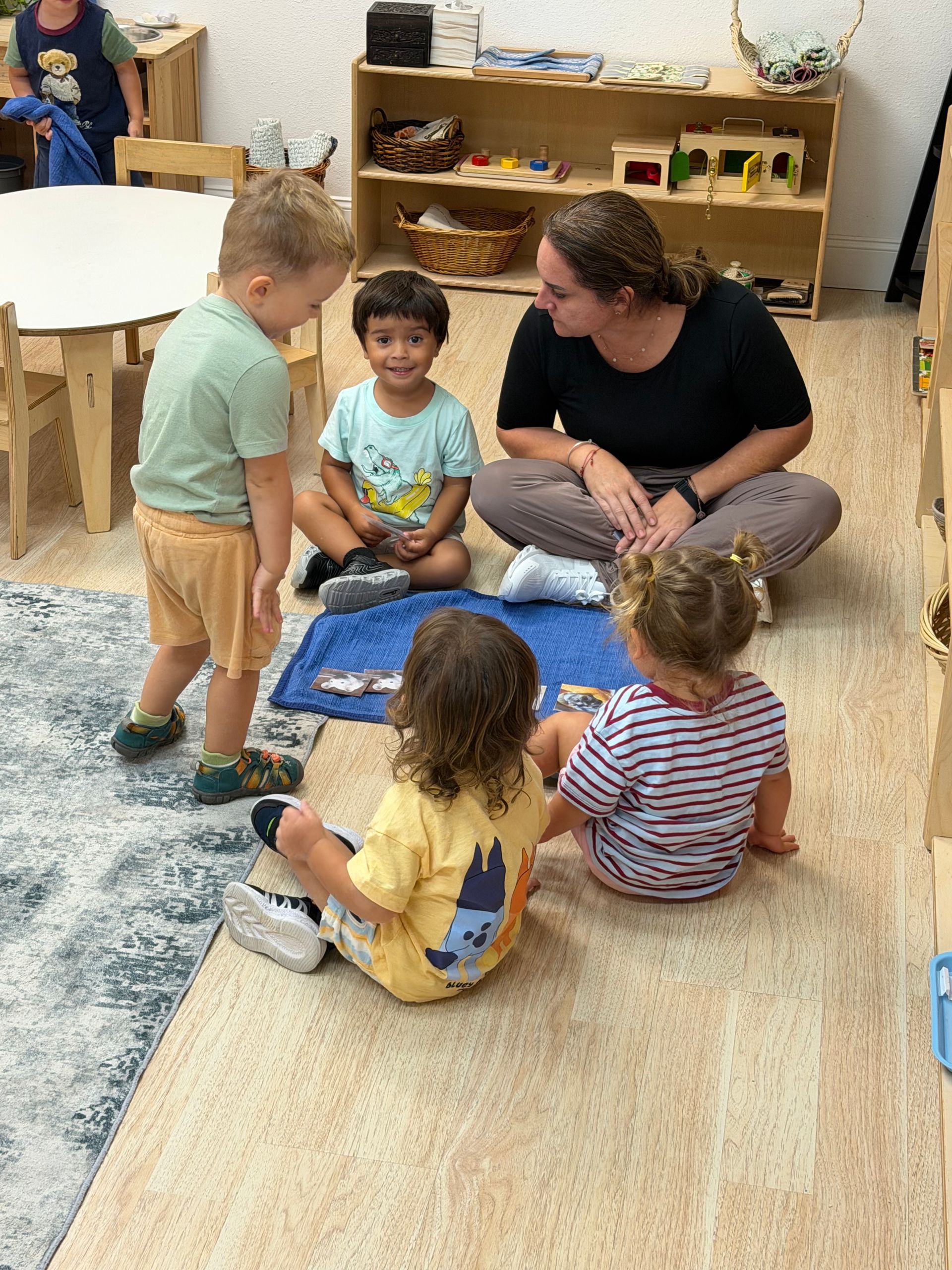
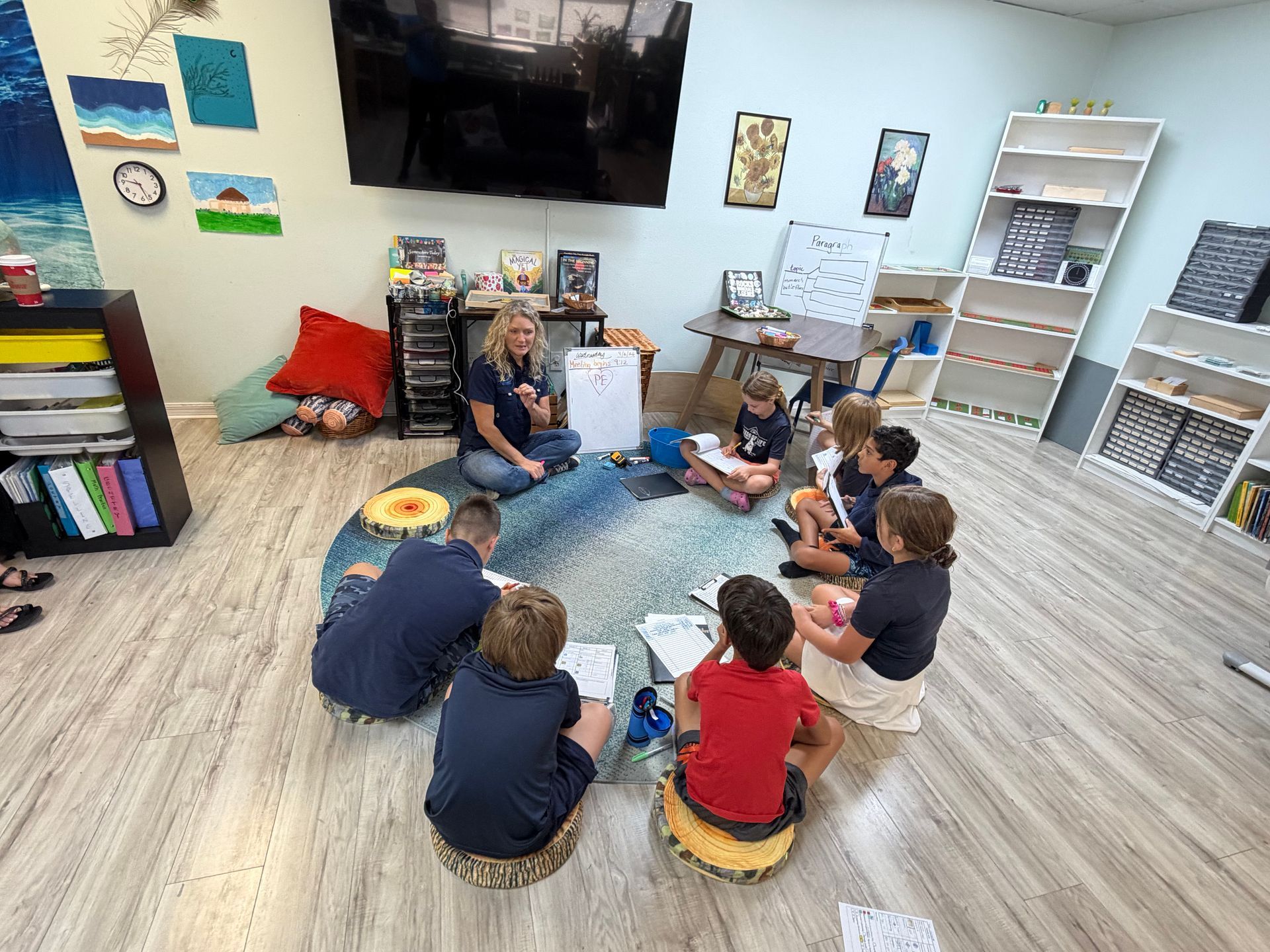
What children experience at home often shows up in the classroom as well. In Montessori environments, children have a great deal of freedom to move, choose work, and explore the materials. But that freedom always exists within limits that protect the learning community. Children learn to care for the materials, respect the work of others, and follow the rhythms of the classroom.
When children grow up experiencing both warmth and clear expectations, they arrive at school more prepared to participate in that community. They understand that freedom and responsibility go together.
A Reflection for Our Families
Working with children every day reminds me that what children need most is not perfection from the adults around them, but steadiness. They need adults who listen to them, who acknowledge their feelings, and who guide them with calm and consistent boundaries. When
children experience both connection and limits, they develop something very important: a sense of security. From that security grows independence, confidence, and respect for others.
And those are the foundations not only for success in school, but for life.