Somewhere between school pickup, dinner, and the general logistics of keeping small humans alive, we lost the plot on play.
Not the activity kind of play enrichment classes, sports schedules, structured social time. Children today have plenty of that. What most of them are missing is the other kind: the unscripted, slightly ridiculous, roll-around-on-the-floor kind of play that happens when a parent decides, for twenty minutes, to stop being the adult in the room.
Dr. Lawrence Cohen, a psychologist and author of the book Playful Parenting, argues that this kind of play is not optional. It is one of the primary ways children regulate their emotional worlds, process difficult experiences, and feel genuinely connected to the people they love most. And it turns out that when children feel connected, almost everything else cooperation, patience, resilience gets easier.
Why play works: what's actually happening
When a child plays especially when they play with a parent their brain is not simply entertaining itself. It is rehearsing. Rehearsing social dynamics, emotional responses, narrative logic, physical coordination, and cause and effect. The play scenarios children create are rarely random. They tend to circle back to the things that are confusing, uncomfortable, or emotionally unresolved in their lives.
The child who "plays school" is processing the experience of being a student. The child who assigns all the toy animals to bossy characters is working through something about authority. The child who wants the same game played the exact same way seventeen times in a row is building predictability and mastery in a world that regularly feels unpredictable.
Children need adults in this process. Cohen describes it as filling an emotional cup. When that cup is full when a child feels seen, connected, and genuinely played with they have the emotional reserves to handle difficulty, frustration, and the ordinary challenges of growing up. When the cup is running low, the behaviour that parents find most exhausting is often the clearest signal that a child is trying to get a refill.
The behaviour that worries us most is often the request we didn't hear.
The easiest way to start: follow the giggles
Cohen's advice is beautifully simple. You don't need a plan. You don't need energy. You just need to follow the giggles to move toward whatever is making your child light up and stay there for a while.
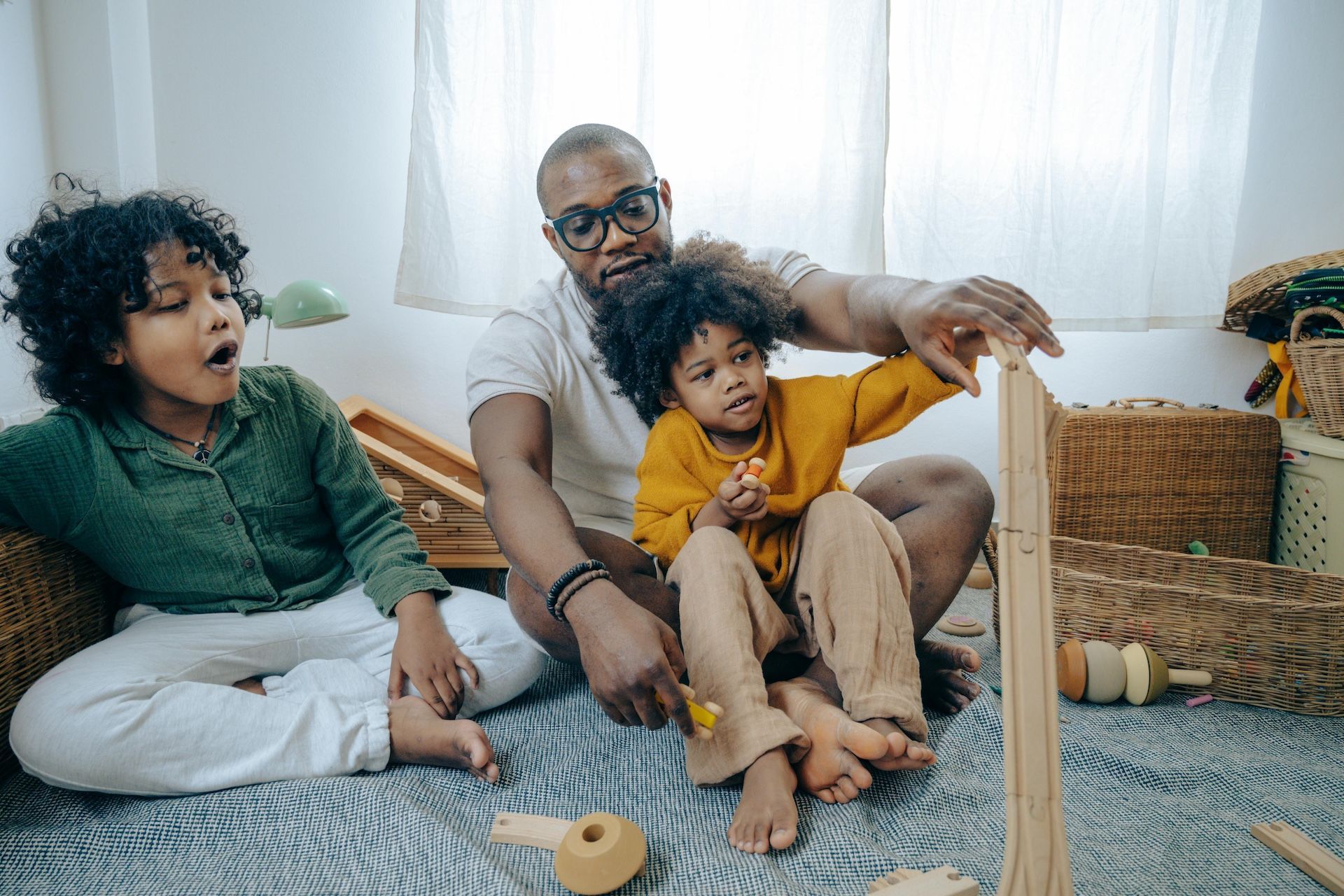
One of the most disarming techniques he describes is role reversal. Instead of being the person who reminds, instructs, and redirects, you become the one who needs reminding. Stamp your feet about cleaning up. Announce dramatically that you refuse to put on shoes. Be slightly incompetent in a game your child is excellent at. The moment you hear the giggle that means I see what you're doing and I love it, you are in the right place.
This works, neurologically, because laughter and play activate the same social bonding systems as physical touch and warm eye contact. They are not frivolous. They are literally biological mechanisms for building connection.
Play as proactive discipline
Here is the counterintuitive part: one of the most effective approaches to difficult child behaviour is not correction. It is play. Not play as a reward for good behaviour play as investment before behaviour becomes a problem.
Cohen calls it filling the cup before it empties. When a parent spends genuine, undistracted, child-led time with their child even twenty minutes the cooperative, connected child that every parent hopes for tends to emerge naturally. Not because the parent did something clever, but because the child's emotional needs were actually met.
The "meeting on the couch" is one of Cohen's most practical tools. When conflict between siblings erupts or a child is spiralling toward a meltdown, instead of escalating, a parent calls a couch meeting. The couch soft, comfortable, associated with closeness rather than correction changes the physiological state of everyone in the room. Often, by the time everyone is sitting together, the conflict has already begun to dissolve.
A note on play in the Montessori world
It is worth noting that Cohen, at the end of Playful Parenting, quotes Dr. Maria Montessori in a way that slightly misrepresents her. In a gracious exchange, he later acknowledged this. The distinction matters.
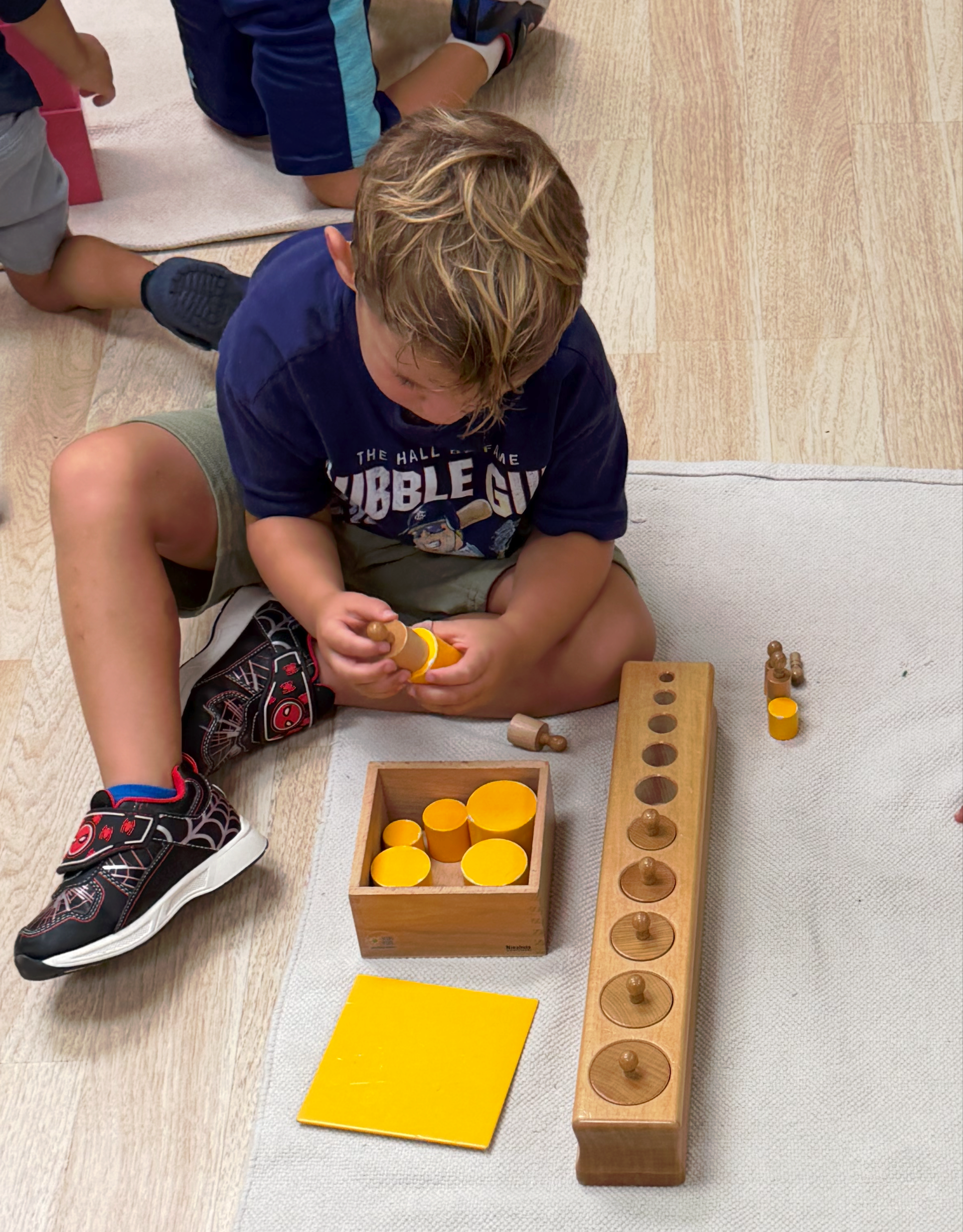
Montessori's use of the word "work" for children's self-directed activity was not a rejection of play. It was a validation of children's seriousness. She was saying: what your child does when they are absorbed building, arranging, pouring, drawing is not lesser than what adults call work. It deserves the same respect. The satisfaction your child feels when they complete something independently is the same satisfaction adults feel. Call it what it is.
The spirit of Cohen's book and the spirit of Montessori philosophy are deeply aligned. Both ask adults to follow the child, to trust the child's inner drive, and to be genuinely present not directing, not managing, but accompanying. The difference is where the following leads: in Montessori, it leads to the prepared environment. In Cohen's work, it leads to the giggle.
Both are worth chasing.
For more on Cohen's work, visit playfulparenting.com. To see how play and purposeful work coexist in a Montessori classroom, come and spend a morning with us in Sarasota.