Among the many principles of Montessori philosophy, the absence of rewards and punishments is one of the more difficult concepts to fully embody. Although many of us understand how external punishments can be harmful, it can be harder to accept that rewards—and especially evaluative praise—can be equally detrimental to a child's development.
Yet, this is one of the most well-supported and consequential ideas in all of Montessori education. At Seeds of Life, understanding why requires a fundamental shift in how we think about motivation, mistakes, and what purposeful activity is actually for.
Children Are Already Motivated
At the heart of all of this is the simple fact that we don’t need to incentivize children to learn. As Alfie Kohn states clearly in Punished by Rewards, "From the beginning they are hungry to make sense of their world." Kohn also emphasizes the importance of the environment in supporting this natural drive: "Given an environment in which they don't feel controlled and in which they are encouraged to think about what they are doing (rather than how well they are doing it), students of any age will generally exhibit an abundance of motivation and a healthy appetite for challenge."
Even when well-intentioned, what rewards and punishments do is gradually replace a child's inner drive with an external tracker. When children learn to work for stickers, grades, or praise, they begin to ask a different question. Instead of asking, "What do I want to understand?" they start asking, "What will get me the reward?" The learning process—including genuine curiosity, risk-taking, and the joy of discovery—becomes dulled.
Dr. Montessori arrived at this understanding through direct observation. She wrote in The Discovery of the Child that she had once believed children needed external encouragement to foster a spirit of work: "I was astonished when I learned that a child who is permitted to educate himself really gives up these lower instincts." Once she removed prizes and punishments, something more genuine and durable took their place.
Making the mental shift from needing to control children’s learning to allowing it to unfold isn't automatic. But the evidence, both from over a century of Montessori practice and from current neuroscience regarding the nervous system, is clear. When a child freely finds their work, external motivators lose their power.
Mistakes Are Not the Enemy
The second reason Montessori abolished external judgment stems from a profound respect for the role of mistakes in learning.
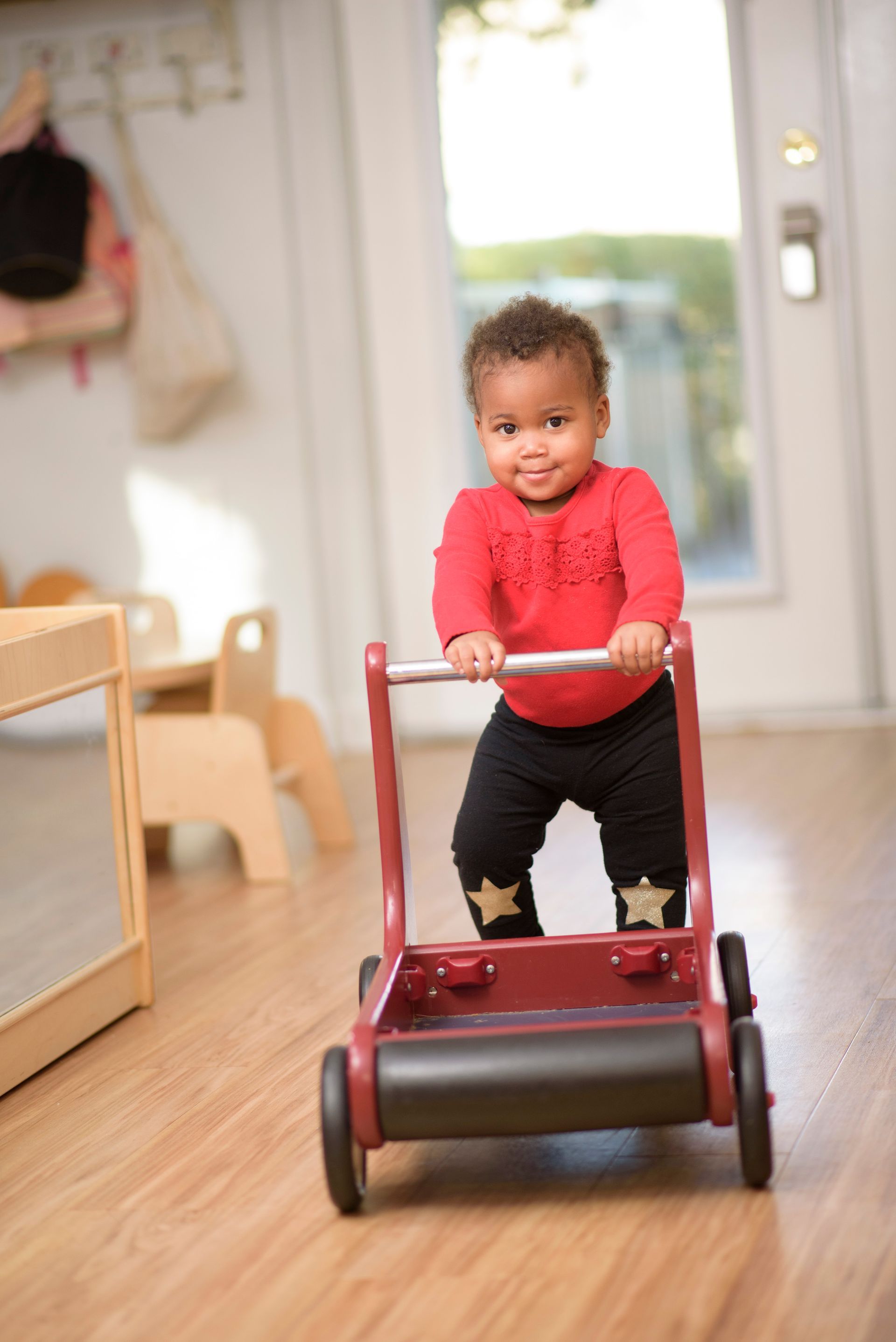
From the very beginning of life, humans learn through error. As Dr. Montessori writes in The Absorbent Mind, "Many errors correct themselves as we go through life. The tiny child starts toddling uncertainly on his feet, wobbles and falls, but ends by walking easily. He corrects his errors by growth and experience."
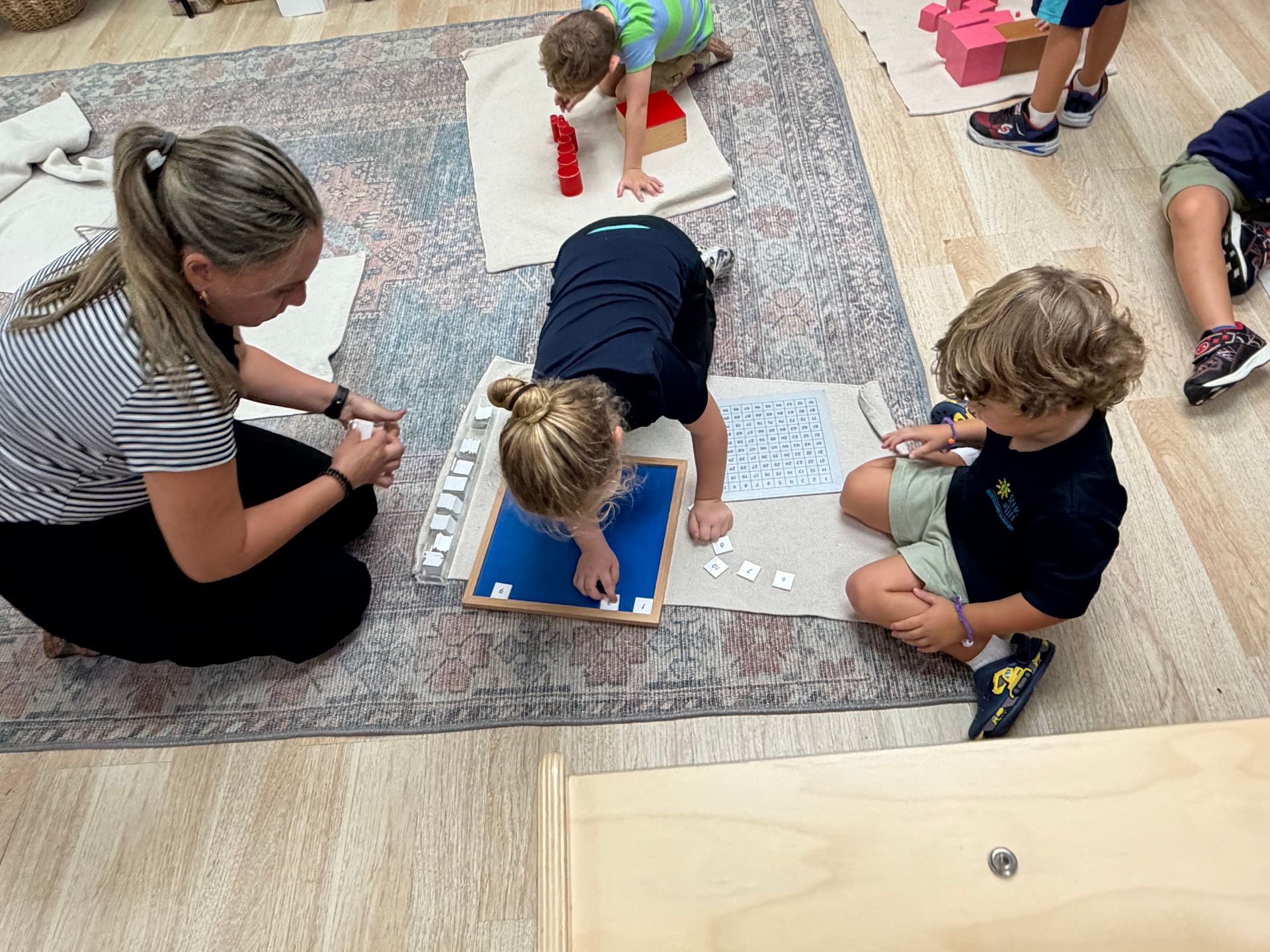
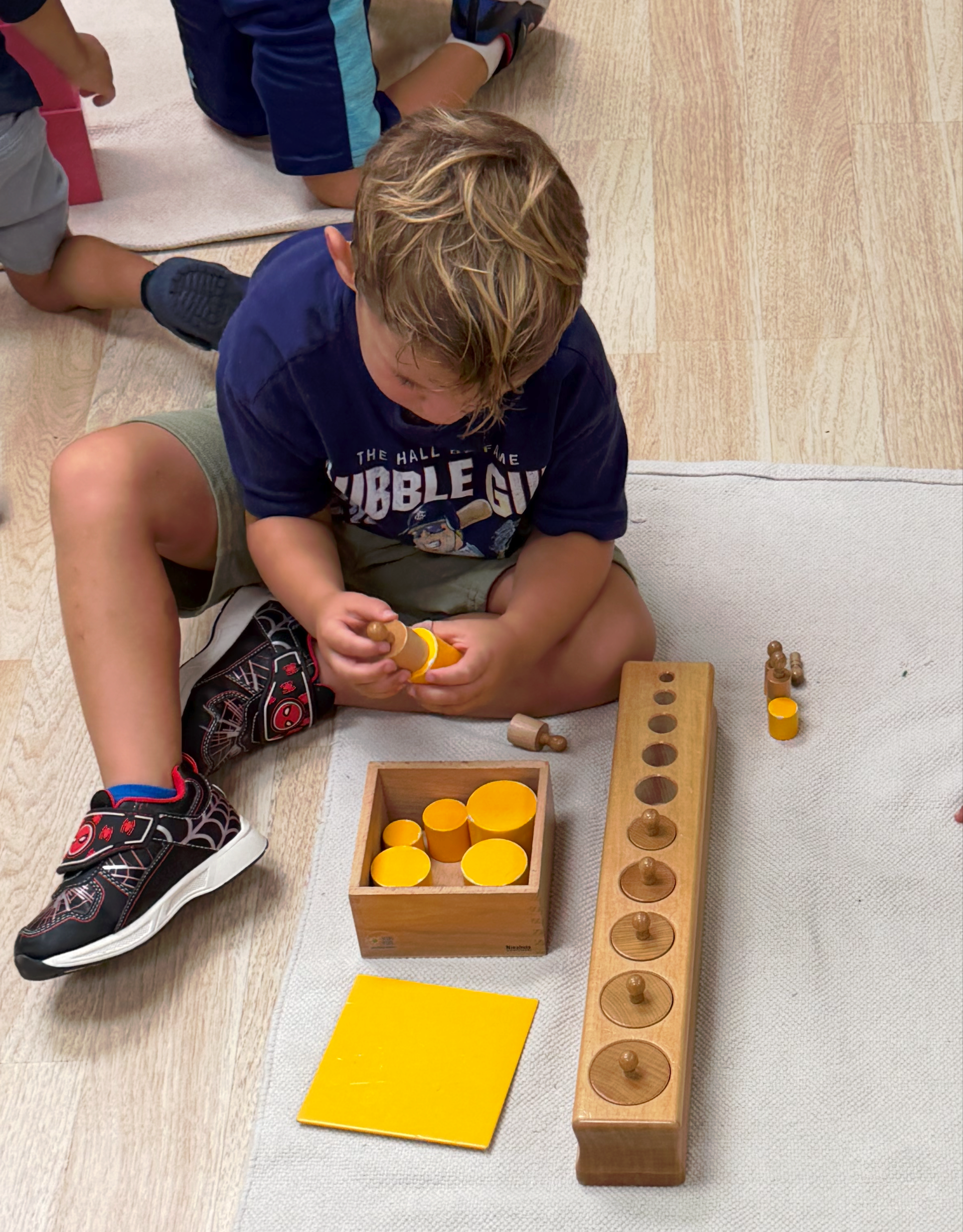
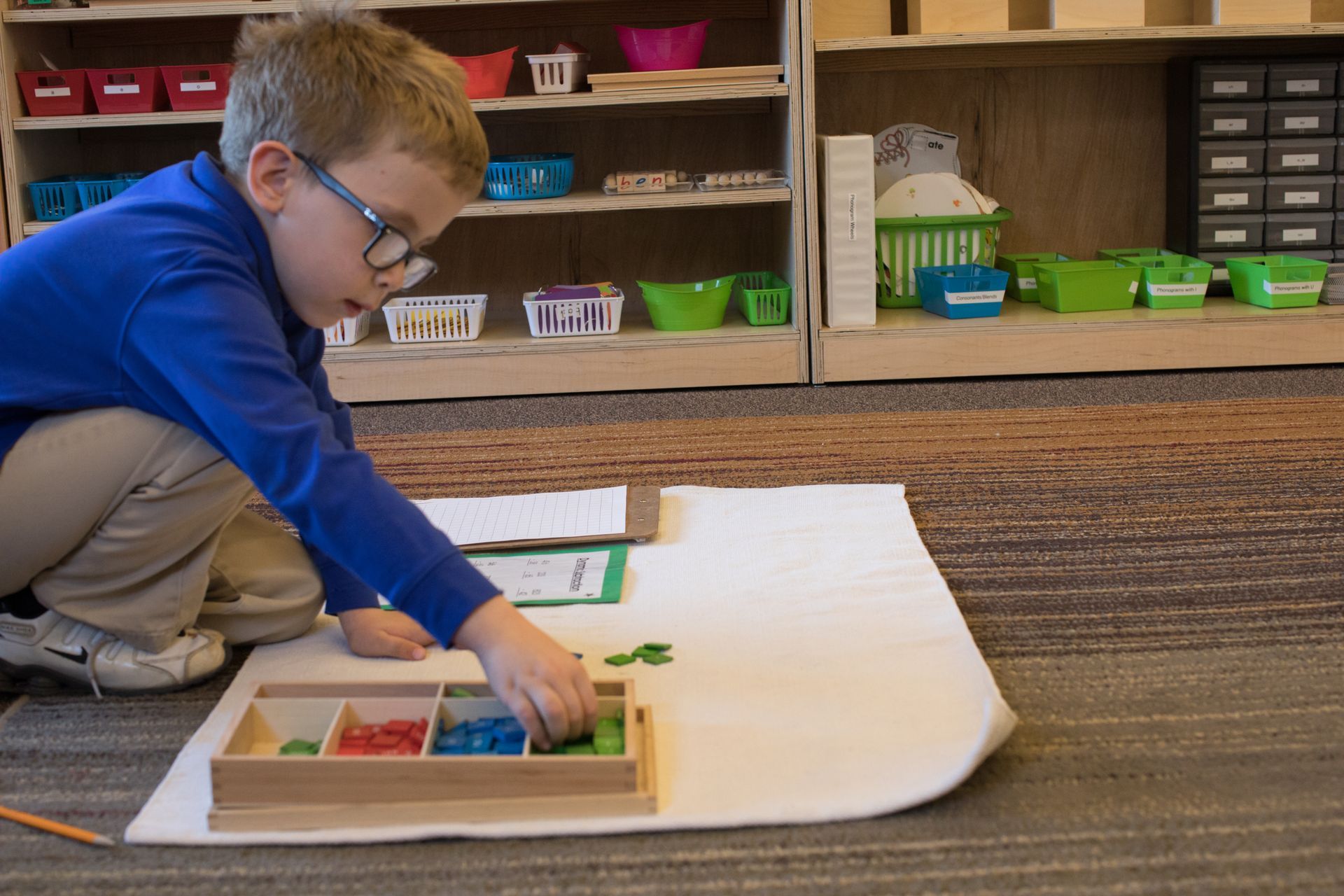
The feedback is built directly into the experience. This is precisely why our classroom materials are designed to be self-correcting, featuring a built-in "control of error." This allows children to discover their own missteps through the work itself rather than through adult judgment.
When children are afraid of making mistakes, their nervous system scans the environment for danger rather than safety. As Kohn explains, "Mistakes offer information about how a student thinks. Correcting them quickly and efficiently doesn't do much to facilitate learning. More importantly, students who are afraid of making mistakes are unlikely to ask for help when they need it, unlikely to feel safe enough to take intellectual risks, and unlikely to be intrinsically motivated."
In our neuro-inclusive environment, children develop a friendly relationship with error. They take true ownership of their independent choices rather than waiting for an authority figure to mark work as right or wrong. They puzzle over what went wrong in their calculations, return to a joyful work they didn't get right the first time, and feel secure in the process of figuring things out. As Dr. Montessori reminded us, it is well to treat error as a companion inseparable from our lives, having a beautiful purpose.
The Hidden Harm of Praise
If punishment feels obviously problematic, praise feels obviously helpful. So it is worth pausing to consider why Dr. Montessori included praise alongside punishment in what she asked adults to step back from.
The issue is not a lack of warmth or encouragement—at SOL, connection always comes before correction. The issue lies in evaluative praise—telling a child their work is "good," "smart," or "impressive." Evaluative praise can unintentionally lead children to perform for acceptance, fostering negative competition. When we praise children for being "the best," others are implicitly positioned as less than. This plants the seed of a competitive environment where another child's success feels like a threat to safety rather than an inspiration.
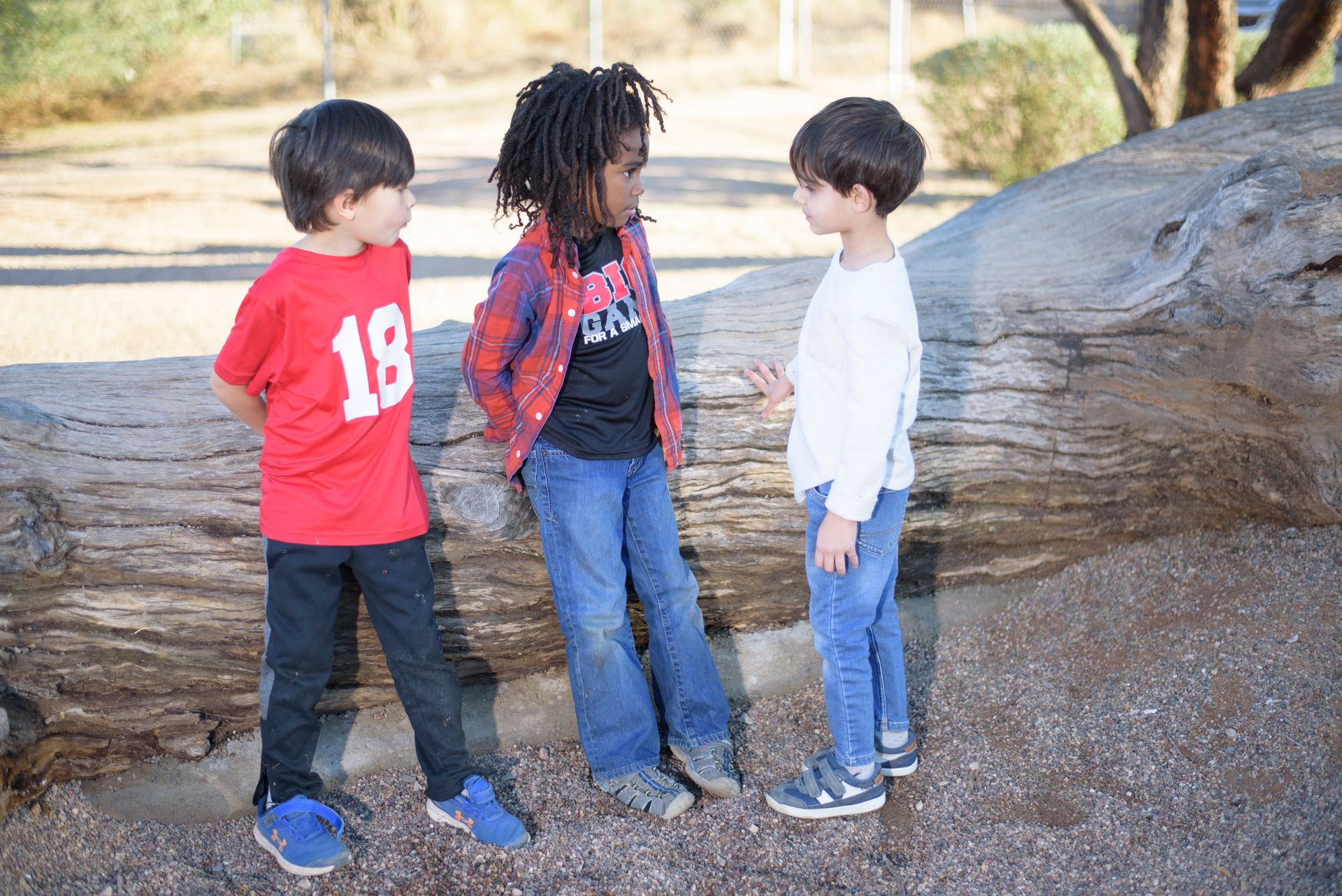
In a true Montessori community, something different emerges. Dr. Montessori observed, "Not only are these children free from envy, but anything well done arouses their enthusiastic praise." Children celebrate each other's achievements. They become inspired rather than threatened by a peer mastering a challenge. This is the natural outcome of a prepared environment where children are never ranked against each other, and where each child's development belongs entirely to them.
What Develops Instead: Internal Discipline
One of the deepest concerns parents have about removing rewards and punishments is this: without external controls, won't everything fall apart?
The Montessori answer, backed by daily practice, is that the opposite happens. When children are not manipulated by external controls, they develop something far more powerful and durable: internal discipline and a deep sense of autonomy.
Dr. Montessori wrote in The Discovery of the Child, "This inner liberation is accompanied by a new sense of dignity. From now on a child becomes interested in his own conquests and remains indifferent to the many small external temptations..."
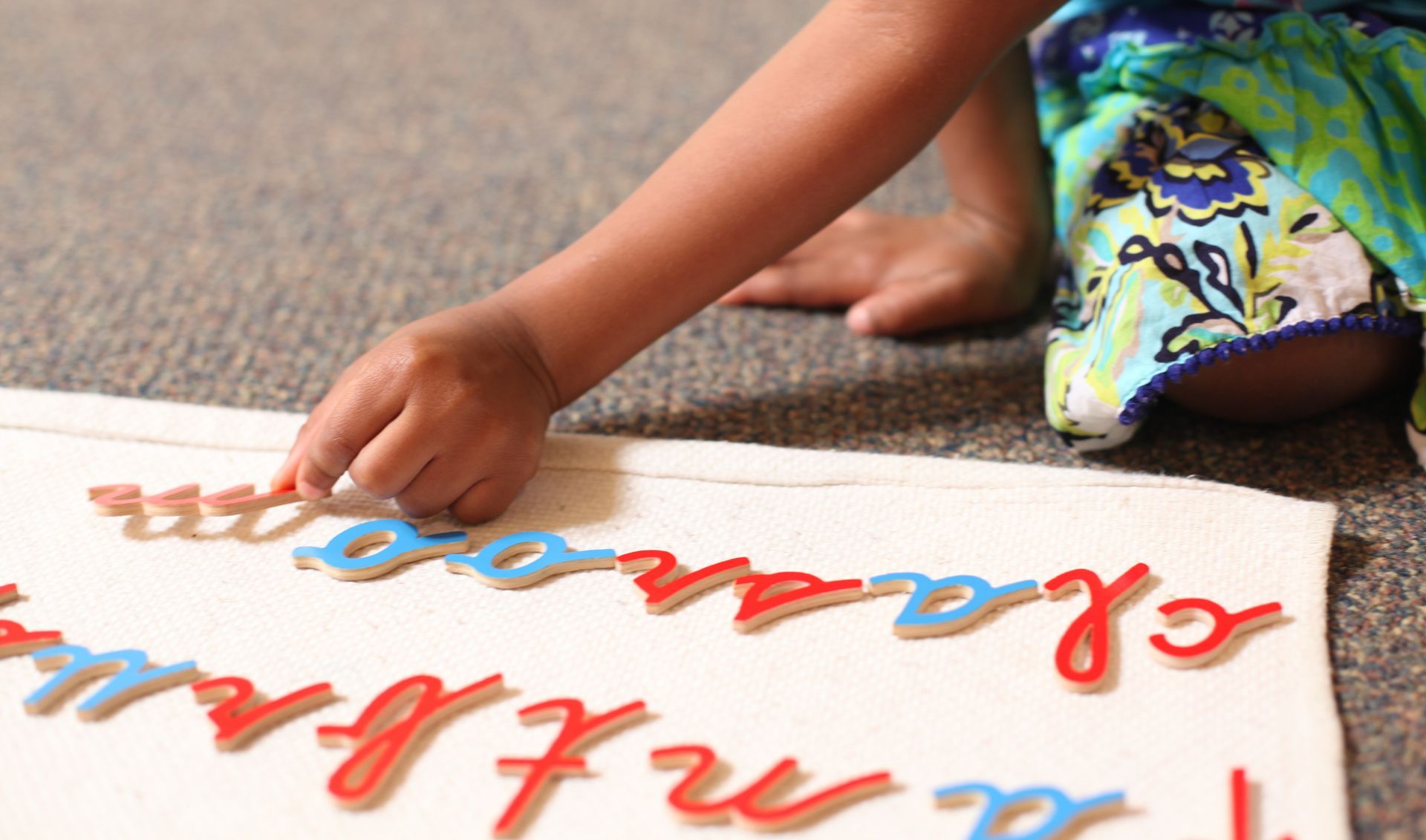
Once a child feels secure in themselves, they no longer seek the constant approval of authority after every step. They will go on piling up purposeful activity, obeying merely the inner need to produce and perfect the fruits of their industry. The process itself—the concentration, the struggle, the discovery, the coordination—becomes the real goal.
What This Means for Families at Home
Bringing this philosophy into family life naturally shifts how we interact at home. When our children accomplish something, we can offer objective, process-focused observations (e.g., "You worked on that puzzle for a long time, you figured out where the edge pieces go!") rather than evaluative praise (e.g., "Good job, you're so smart!"). When they make a mistake, we can hold a supportive, calm boundary that preserves their confidence, remembering that a child's dysregulation or error is simply communication seeking safety.
These are not easy shifts, and there is no need for perfection from the adults around them—only steadiness. When we give children the conditions to develop from the inside out, what emerges is quietly extraordinary.
We would love to talk more about how our school environment helps children develop a lifelong love of learning. We invite you to experience our community firsthand.
- 📍 Location: Main Campus, 5805 Whitfield Ave, Sarasota, FL
Seeds of Life Montessori Academy
#IntrinsicMotivation #MontessoriPhilosophy #PreparedAdult #ConnectionBeforeCorrection #NeuroInclusive #PreparedEnvironment #SeedsOfLife #SarasotaMontessori #MontessoriAtHome #GraceAndCourtesy