“When a child is given a little leeway, he will at once shout, ’I want to do it!’ But in our schools, which have an environment adapted to children’s needs, they say, ‘Help me to do it alone.’”
— Maria Montessori, The Secret of Childhood
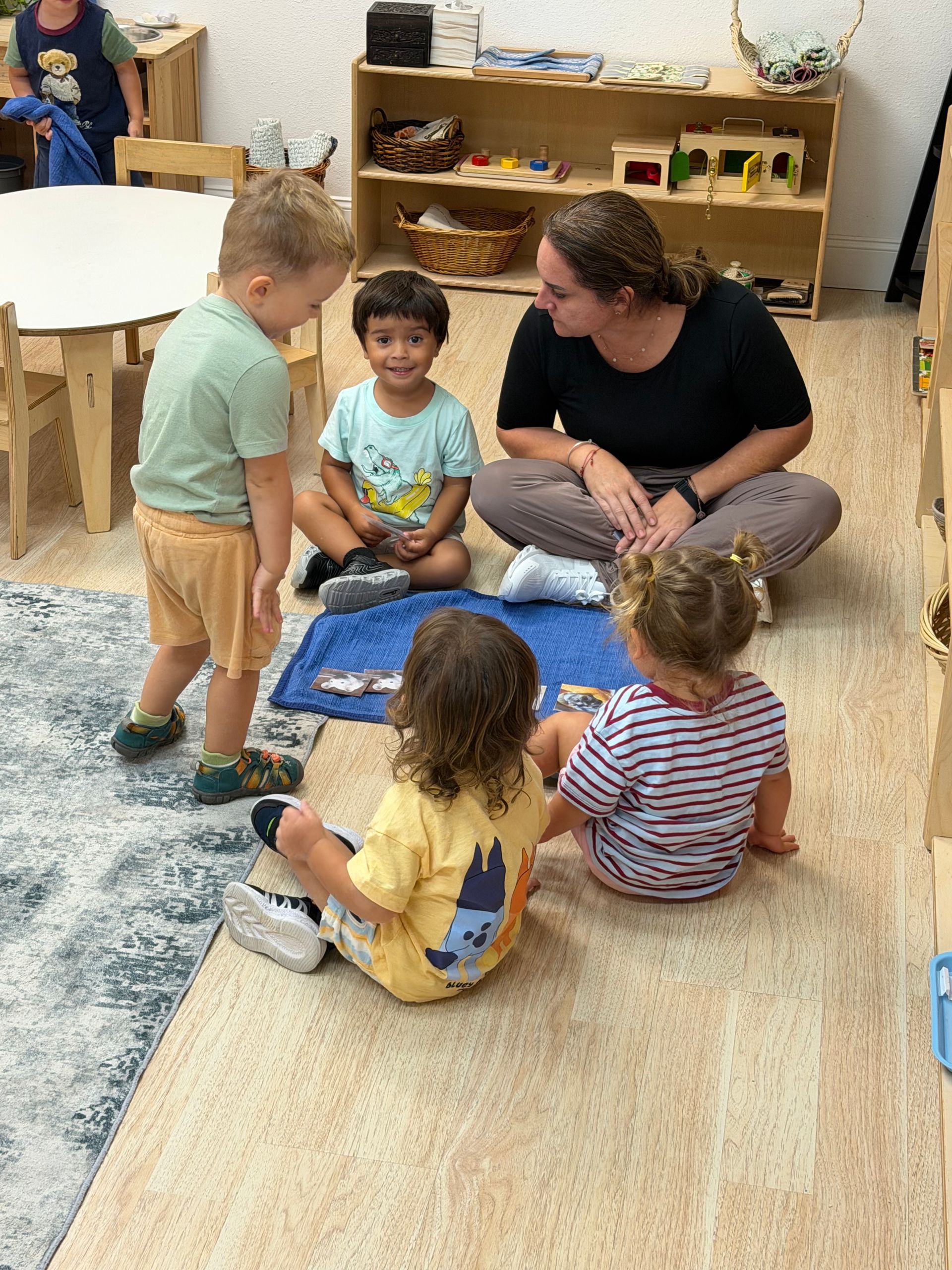
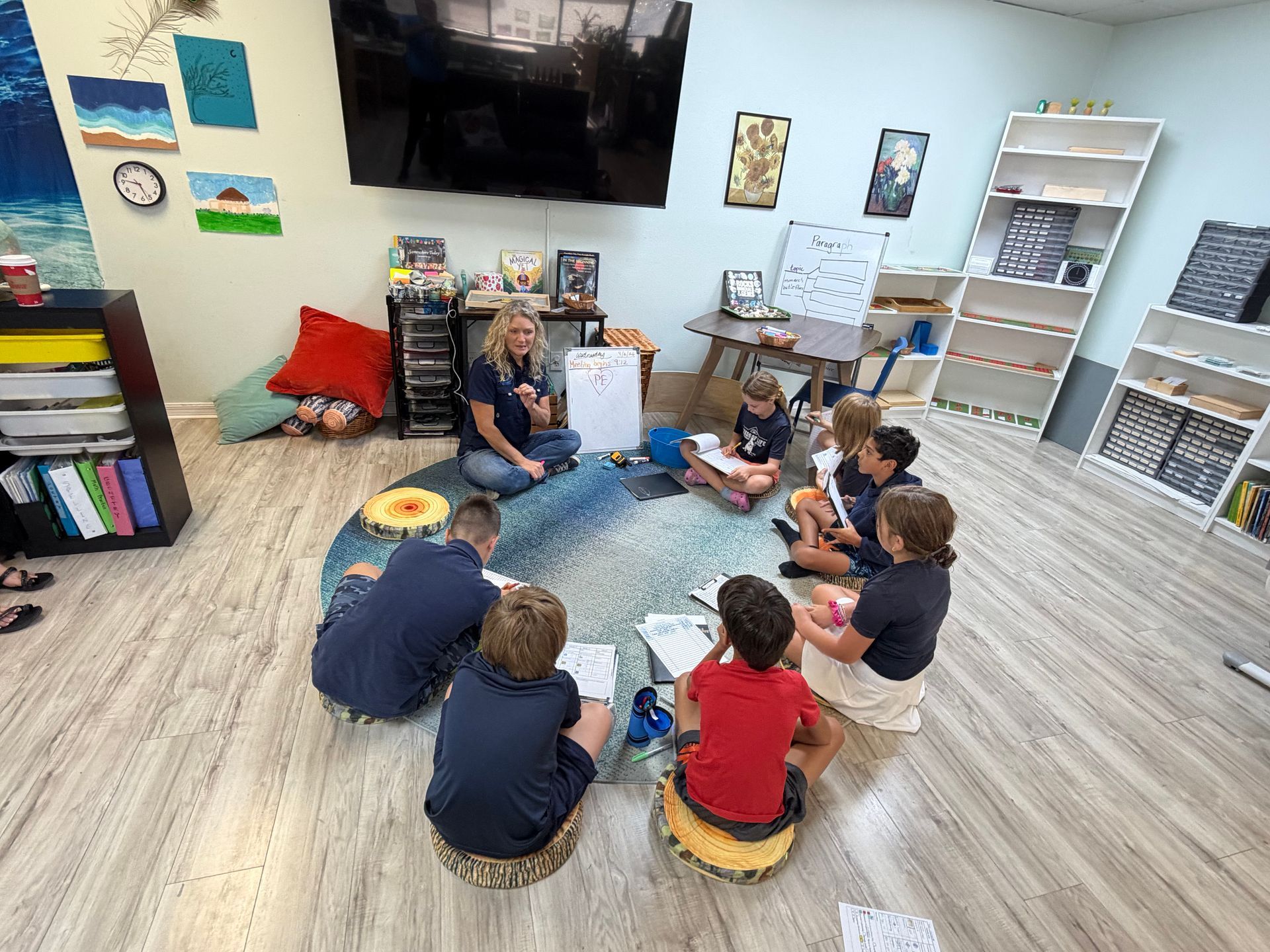
Among Montessorians, you will frequently hear the phrase, "Follow the child." It is an invisible compass that guides our daily practice and shapes our entire school culture. We hold a deep, foundational belief that every child possesses an innate inner blueprint that guides them toward learning, coordination, and independence. Our job as the prepared adults is simply to construct the optimal path, offer the keys, and then step back to let the process unfold.
Following the child is not a practice confined to the classroom walls. It is a philosophy that can beautifully transform the home and any other space your family occupies. When we understand how to implement Dr. Montessori's observations in our daily rhythms, we unlock a profound sense of peace and capability within our children.
Here is how we can put this foundational principle into action together.
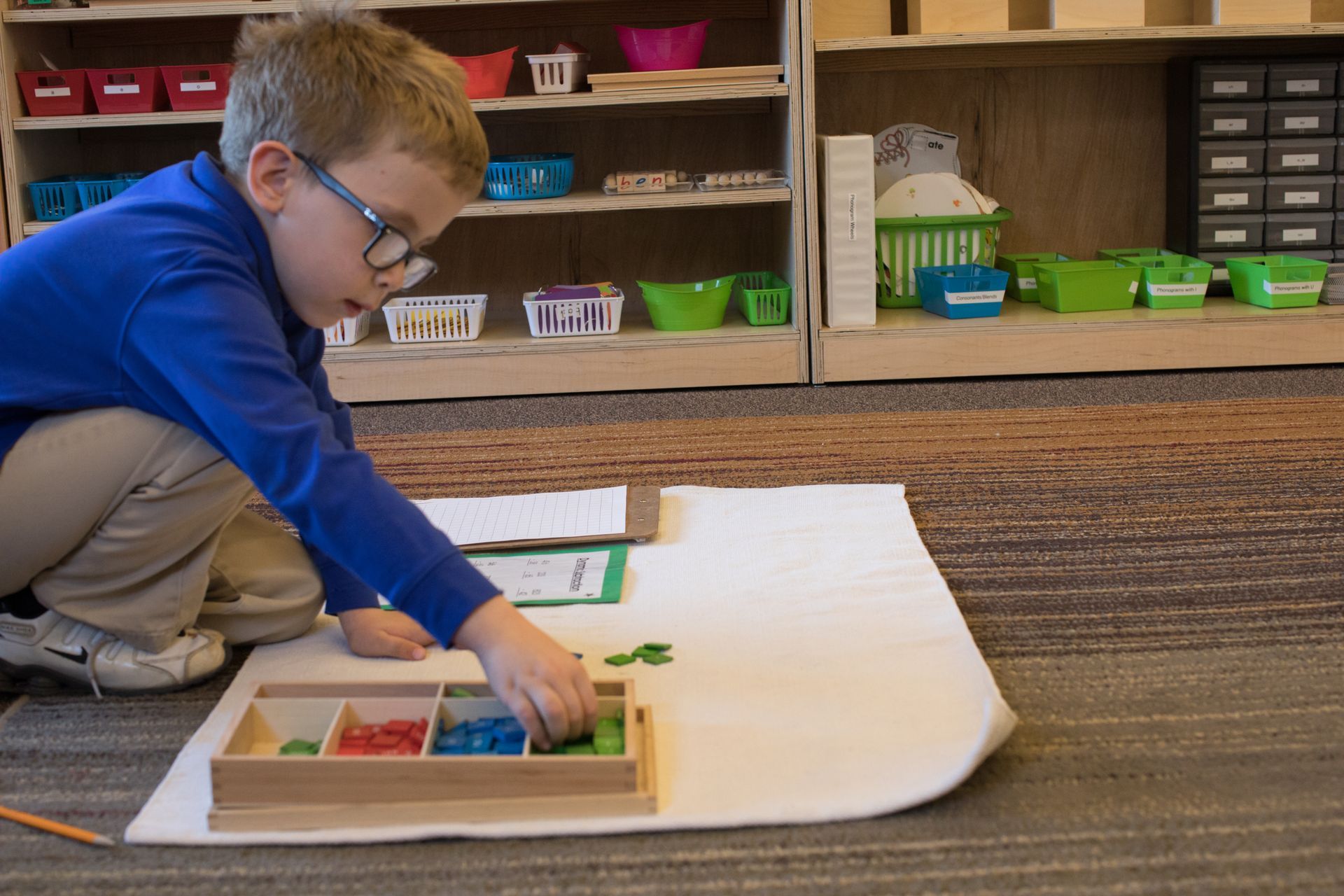
Pause and Protect Their Concentration
“Praise, help, or even a look, may be enough to interrupt him, or destroy the activity…. The great principle which brings success to the teacher is this: as soon as concentration has begun, act as if the child does not exist.”
— Maria Montessori, The Absorbent Mind
As loving adults, we often feel a strong impulse to constantly engage with the children around us. We step in to dispense knowledge, verbally direct their movements, or offer immediate feedback. Often, this stems from our own traditional upbringings, but it can accidentally disrupt a child's delicate cycle of focus.
The most powerful choice we can make when approaching a child is to pause. If a child is deeply focused, actively engaged, and safely exploring their work, we must resist the urge to interfere. When a child is building their concentration, they are not seeking external validation or direction. Even if they aren't using a material or executing a task exactly the way you envisioned, as long as they are safe and treating the environment with respect, their brain is organizing information in ways we might not see from the outside.
Shift from Judgment to Observation:
When a child completes a task, they don't require empty praise like "Great job!" or "You're so smart." These phrases actually train children to seek external rewards rather than internal satisfaction. Instead, try commenting objectively on the process rather than your judgment of the product:
- "I noticed you spent a long time working on that puzzle until every piece fit."
- "You carried that heavy pitcher with two hands to keep the water steady."
- "I saw how focused you were on that drawing. How did it feel to mix those colors?"
Trust the Child’s Internal Fire
“The child looks for his independence first, not because he does not desire to be dependent on the adult. But because he has in himself some fire, some urge, to do certain things and not other things.”
— Maria Montessori, The Theosophist
Children possess a natural drive to master their movements and participate meaningfully in family life. When we replace this internal fire with external prizes or stickers, we accidentally teach them to work only for the approval of others. When we trust that they want to learn for the sheer joy of capability, true independence flourishes.
Sometimes, especially when children are young, their early invitations toward independence require us to slow down our adult schedules. If your toddler in the Nido wants to help you push the heavy laundry basket, or your Casa child wants to slice the bananas for breakfast, pause and allow them to try. We know that modern family schedules are packed, but granting them the time to practice these real-life activities coordinates builds long-term confidence and coordination. They don't want us to do it for them; they are asking us to give them the time and space to do it themselves.
The Adult as Part of the Environment
“Children acquire knowledge through experience in the environment.”
— Maria Montessori, The 1946 London Lectures
"Now the adult himself is part of the child's environment; the adult must adjust himself to the child's needs if he is not to be a hindrance to him and if he is not to substitute himself for the child in the activities essential to growth and development."
— Maria Montessori, The Secret of Childhood
The environment is one of the greatest educators a child will ever have. At Seeds of Life, our guides spend hours continuously analyzing, reflecting upon, and adjusting our classrooms. If a material hasn't been chosen for a while, it is rotated. If the flow of furniture creates a bottleneck during large motor movement, it is rearranged. If children are naturally drawn to working on the floor, we ensure ample floor mats are accessible.
As the adult, you are a vital element of your child's environment. You can look at your home through this exact same lens to remove barriers to your child's independence.
- In the Kitchen: Place a sturdy step stool by the counter and store child-safe cups on a low shelf so they can pour their own water independently.
- In the Entryway: Hang a low coat hook and place a designated basket for shoes by the front door so they can take charge of their own transitions.
- In the Bedroom: Keep clothing choices limited to two or three weather-appropriate options on a low rack so they can successfully dress themselves in the morning.
Observe Without Judgment, Prepare with Intention
“The teacher, when she begins work in our schools, must have a kind of faith that the child will reveal himself through work.”
— Maria Montessori, The Absorbent Mind
Dr. Montessori was a scientist who developed her entire pedagogy through precise, objective observation. At Seeds of Life, our guides intentionally carve out observation blocks in the classroom. We look closely at behavior, social connections, and sensory needs without judgment, using that data to refine our space.
You can become a scientist in your own home by observing your child's behavior as clues about what their developmental system is craving:
- The Observation: Your child is consistently jumping off the living room sofa.
- The Shift: Instead of viewing this as defiance, recognize it as a need for gross motor input. Provide a safe alternative, like a backyard obstacle course or a designated mattress for jumping.
- The Observation: Your child leaves their toys scattered on the floor and walks away.
- The Shift: They may be overwhelmed by too many choices. Try rotating most of the toys into a closet, leaving just 3 or 4 simple, high-interest activities beautifully arranged on a low shelf.
- The Observation: Mornings feel chaotic and your child resists getting dressed.
- The Shift: Take a look at the routine. Would a simple visual checklist with pictures (Potty, Get Dressed, Brush Teeth) help them navigate the sequence independently?
Enjoying the Journey Together
Following the child requires immense faith, patience, and a willingness to slow down our adult pace. When we step back from the role of the director and step into the role of the supportive observer, our children surprise us with their resilience, concentration, and deep capacity for joy.
We are so honored to partner with your family as a practice environment where these principles come to life every single day. If you would like to see our prepared environments in action or discuss how to bring these Montessori rhythms into your home, we would love to connect.