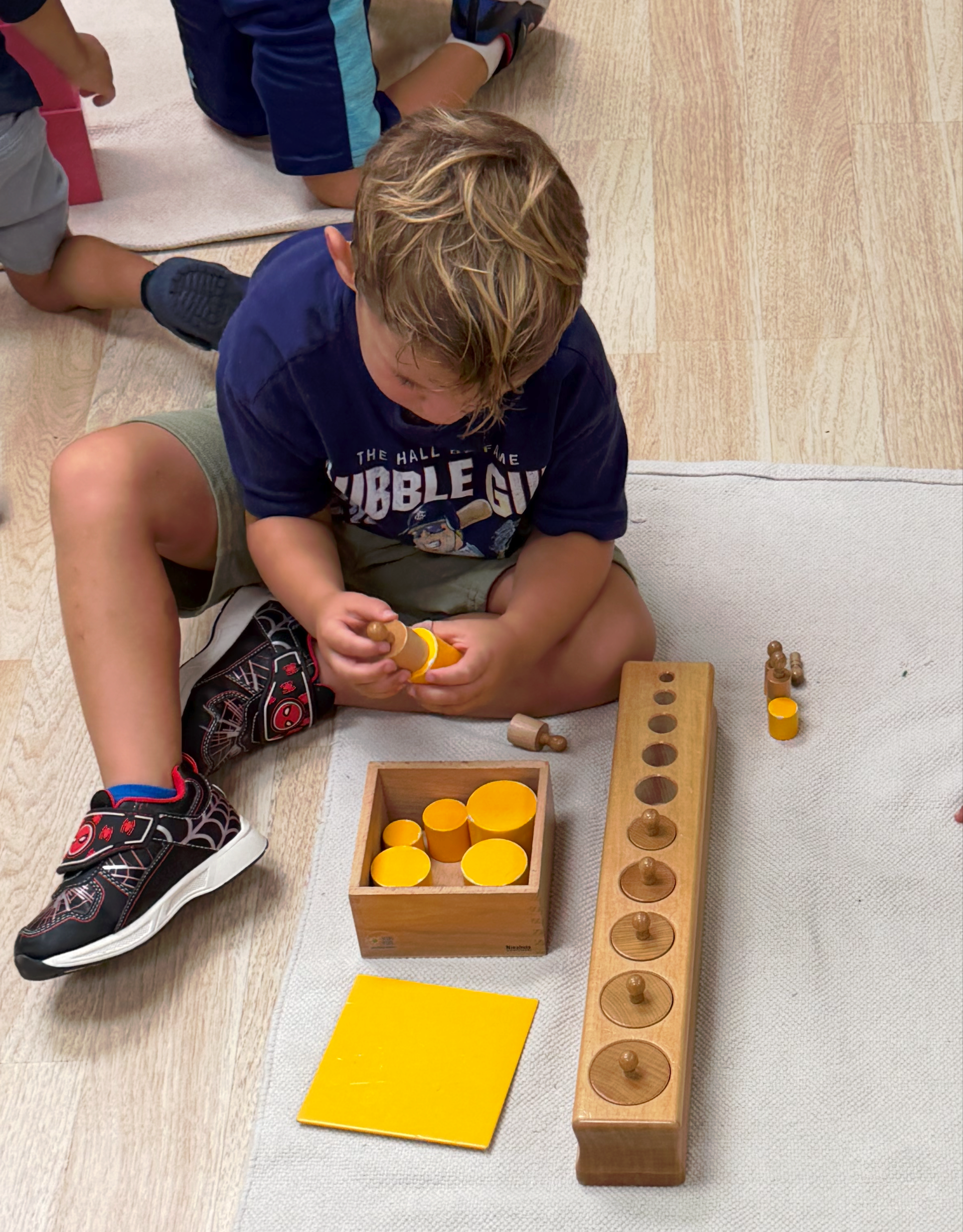
When families envision a Montessori environment, some of the most iconic images that come to mind are the beautiful, tangible Practical Life works found in our Casa (Primary) classrooms. There are small wooden trays holding delicate pouring and transferring exercises.
There are whole cycles of activity dedicated to the care of the environment through flower arranging, window washing, and table scrubbing. The children prepare their own fresh snacks, wash their own dishes, and use specialized dressing frames to master the mechanics of zippers, buckles, and bows.
These foundational materials are vital. They are also highly visible because they live as physical, self-contained materials on a shelf. Because of this, it can sometimes appear that Practical Life is a localized chapter of education designed strictly for children under the age of six.
But what happens when our students cross the threshold into the Elementary years and move toward adolescence?
At Seeds of Life, the vital work of Practical Life never stops, nor does it lose an ounce of importance. Instead, it undergoes a beautiful metamorphosis. It shifts from the physical manipulation of objects to the orchestration of daily life, community dynamics, and executive function.
As a Montessori Model School rooted in neuroinclusive, real-world practice, we understand that learning to navigate a weekly schedule or hold a respectful boundary is just as critical to a child’s long-term independence as learning to tie a shoe. Both are essential milestones of the whole child—they are simply met at different developmental stages.
Here is how the second plane of development breathes new life into Practical Life at Seeds of Life.
Executive Function & Time Management
No child is born with an inherent roadmap for time management. It requires a developed sense of time, the ability to sequence multi-step goals, and the working memory to follow through. In our Junior and Upper Elementary environments, this internal organizational structure is scaffolded through the introduction of the Work Plan.
The work plan is an intentional tool that lists the academic expectations and collaborative projects for the day or week. While the benchmarks are clearly established, the student is granted authentic autonomy to decide when, where, and with whom they will execute their work.
Do children manage their work plans flawlessly every single time? Absolutely not—and that is exactly where the true Practical Life learning occurs.
When a guide observes a pattern of unfinished work—for instance, if a student fully immerses themselves in creative writing all week but consistently avoids their math work—we step in with targeted, supportive mentorship.
- The Non-Punitive Meeting: Rather than issuing a penalty, the guide sits down with the student for a collaborative check-in. Because our school culture prioritizes emotional safety and regulation, the student doesn't feel defensive.
- Collaborative Problem-Solving: The guide might ask: "I noticed your geometry work stayed on the shelf this week. What do you feel your brain needs to approach that work? Is the concept feeling a bit foggy, or do you need to commit to practicing it first thing in the morning?"
Through this process, students learn to self-reflect, adapt, and build the real-world executive functioning skills necessary for adulthood.
The Architecture of Social Dynamics
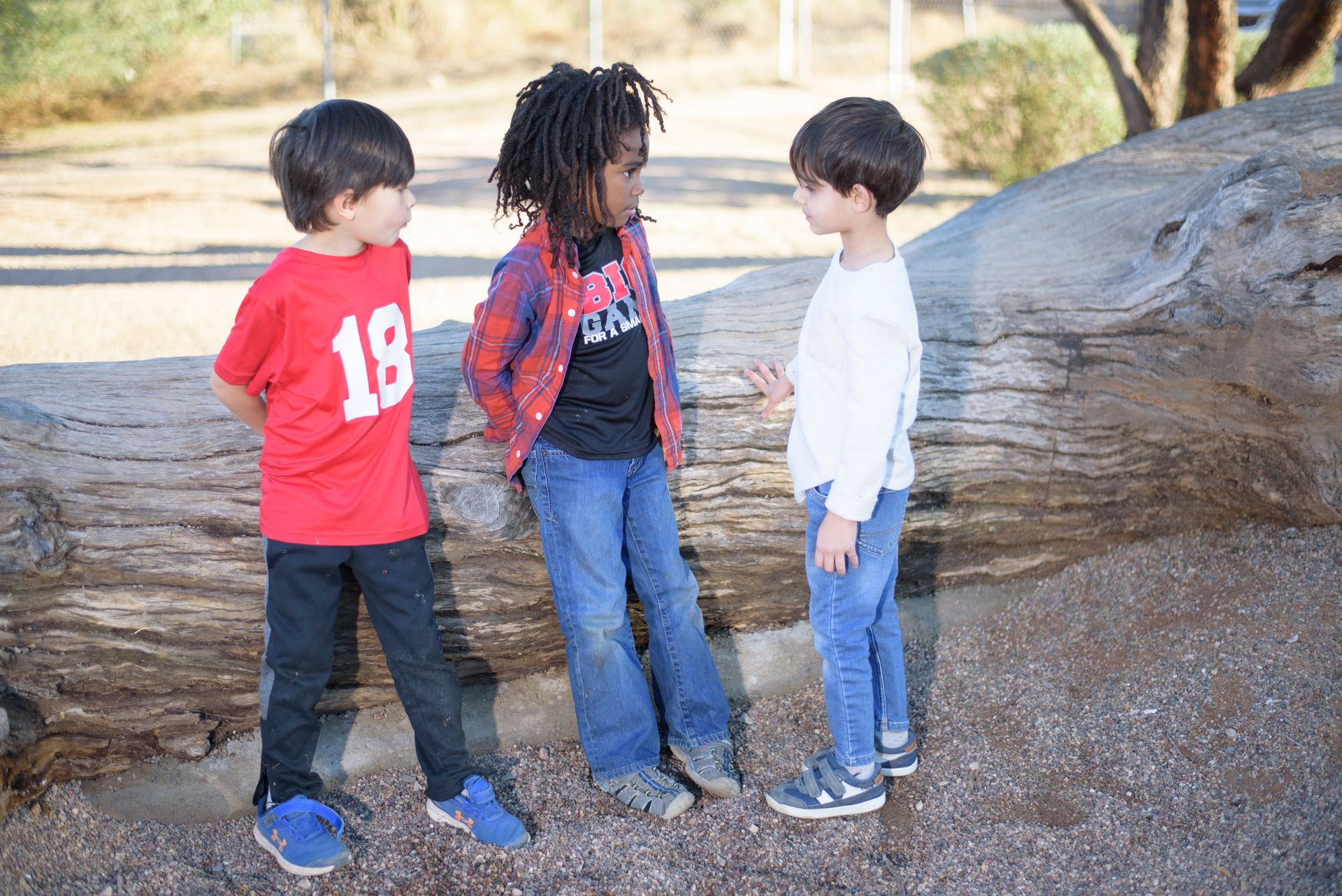
During the Elementary years, a child’s psychological landscape shifts dramatically. They move away from the parallel play of early childhood and enter the "cosmic" social phase, where peer relationships, group identity, and community justice become paramount. Naturally, with deep social exploration comes natural conflict.
In a traditional educational model, social conflicts are often rushed through or pushed to the sidelines to protect strict academic schedules. At Seeds of Life, we treat social navigation as a core academic subject. Our schedule honors the rhythm of the day, allowing us to pivot when our community needs us.
- Spontaneous Community Meetings: If a complex misunderstanding or boundary cross occurs during outdoor large motor movement, our guides do not force the children to immediately suppress their feelings for a planned lesson. The lesson can wait. Instead, we gather for a community meeting.
- Collaborative Resolution: Our guides lead these discussions without pointing fingers or assigning shame. We state the observation objectively and invite the community to generate solutions: "Two groups wanted to utilize the same collaborative space today, and it felt frustrating. What ideas do we have to ensure everyone's work is respected tomorrow?"
- Micro-Mediation Spaces: For interpersonal conflicts, children are guided through micro-mediation sessions. Rooted in our Polyvagal-informed approach, these sessions ensure that every child's nervous system feels safe, heard, and validated before moving forward into a resolution.
Nuanced Self-Care & Internal Regulation
By the time students reach Elementary, they have mastered basic physical hygiene, but they are ready to explore the deeper, more nuanced layers of holistic self-care.
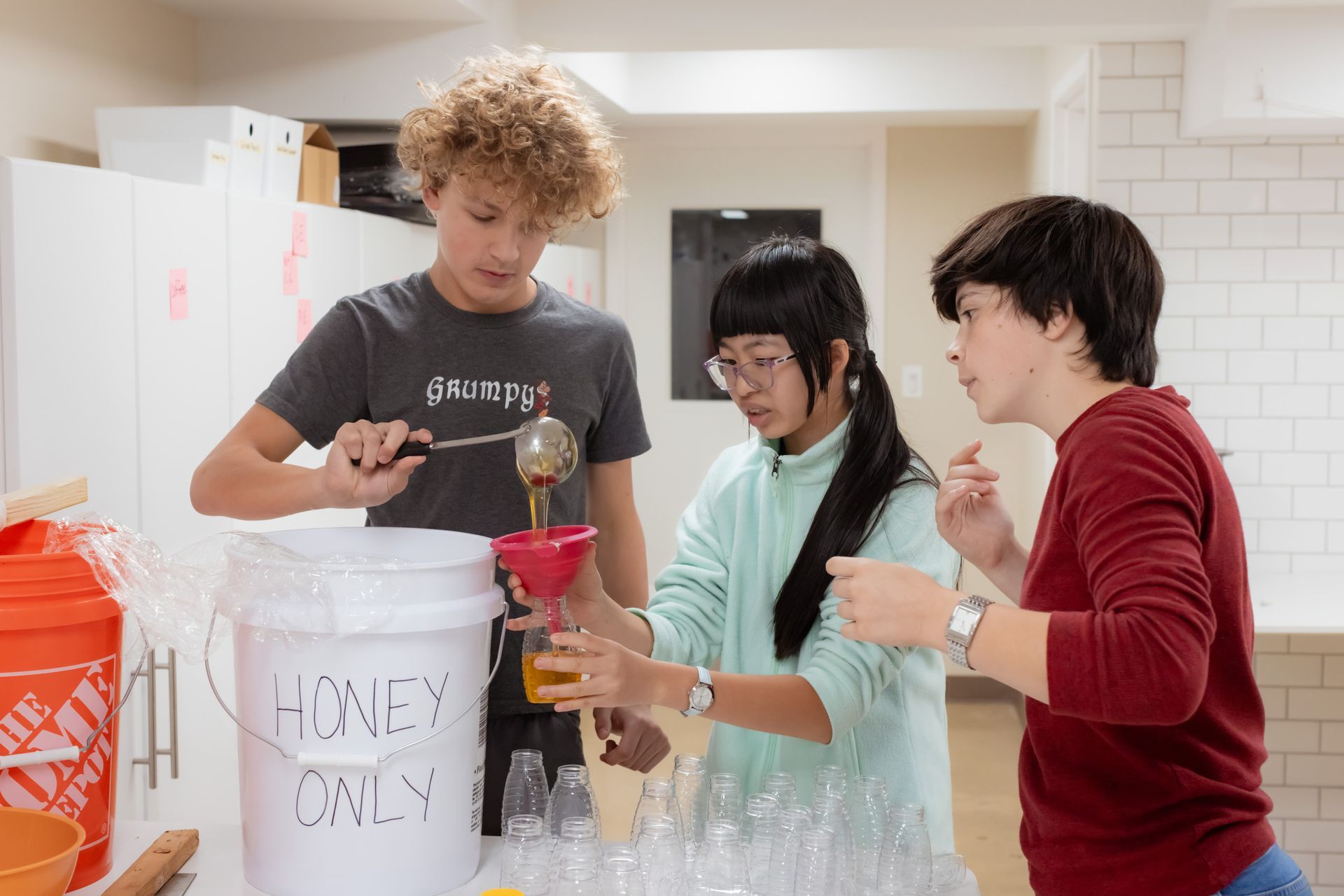
- Autonomy in Nutrition: Nutrition education moves beyond sorting food groups and into real-world culinary exploration. Students explore cultural cuisines, prepare community snacks for celebrations, and maintain complete autonomy over their food intake. They decide when their bodies require a snack, managing the responsibility of cleaning their workspace and respecting the capacity limits of the snack table independently.
- Mindful Movement: Physical health is woven organically into the day. Whether through yoga, group walks, or intentional stretching, movement is prioritized as a tool for physical health and physical regulation.
- Stress Management: In alignment with our neuroinclusive model, students are explicitly taught how to identify internal states of stress and frustration. They are equipped with customized, proactive toolkits—such as deep diaphragmatic breathing strategies, mindfulness practices, and designated quiet sensory spaces—to help them reset their nervous systems when under cognitive strain.
Adolescent Entrepreneurship & The Microeconomy
As students transition into adolescence, Dr. Montessori recognized that they need to experience their tangible economic value within society. Globally, this is traditionally explored through the Erdkinder (land-based) model. In modern educational settings, we manifest this through the creation of a living, breathing microeconomy.
Our oldest students take on the complete operational responsibility of running a school-based enterprise—such as a student-led coffee shop, an artisanal marketplace, or a community initiative. Under the supportive mentorship of their guides, the students manage every single moving part of the venture:
- Financial Literacy: Drafting, balancing, and managing real itemized budgets.
- Logistics & Outreach: Making professional phone calls and establishing supply chains with local community partners.
- Communication: Developing marketing campaigns, designing signage, and practicing professional customer service.
Through this immersive, real-world work, adolescents discover that their contributions have authentic, tangible value, bridging the gap between childhood security and adult independence.
The Continuing Journey
The elegant trays on our Casa shelves are merely the opening chapter of a lifelong journey toward self-actualization. At Seeds of Life, Practical Life is not a curriculum you outgrow—it is an evolving practice that expands to meet the growing mind, body, and spirit of the developing child.
Are you curious to see how our older students practice independence, concentration, and real-world collaboration every day? We invite you to experience our living school environment firsthand.
Schedule a campus tour to learn more about our Elementary and adolescent programs.